Просмотр новости
Найдите то, что Вас интересует
 Спутники
 РН
РН SpaceX
 Роскосмос
 NASA
NASA
СпутникиРНSpaceXРоскосмосNASAExploring AI and digitalization’s potential to overcome time-consuming, costly, and risky early-stage drug discovery and development.
Ask anyone in pharma about the challenges of early-stage drug discovery and development and you’ll get the same answer: it’s notoriously time-consuming, costly, and risky. It’s always been this way. In the first part of this Pharma Convergence series, “The rise of TechBio and R&D’s evolving operating models,” we identified the traditional siloed approach as a contributing factor, comparing it with TechBio’s emerging advantages. But despite technological advances, the industry still struggles to overcome longstanding disheartening statistics: drug development timelines of 10-15 years, success rates below 10%, and a staggering average cost of $1-2 billion.
At the heart of this challenge lies the early R&D phase, in which scientists explore disease biology, find chemical “hits,” and refine them into viable candidates for treatment. These foundational steps are critical, yet traditionally inefficient. The struggle, however, is now coming to an end. Today, digital transformation isn’t just enhancing the early R&D process; it’s reinventing it.
AI in drug discovery and developmentLeading pharmaceutical companies are leveraging AI, automation, and advanced analytics to make significant gains: accelerating discovery timelines by 20-50% and reducing early development costs by up to 50%. These gains improve efficiency, unlock capacity for more innovation, and fast-track the delivery of life-changing treatments to patients. As digital transformation reshapes early-stage drug development, knowing where to focus, what to measure, and how to act is a strategic imperative for competitiveness, innovation, and results.
At Capgemini, we work with all Top 20 global pharma companies, leveraging 15,000 life sciences experts to tackle the industry’s toughest challenges. Our multidisciplinary teams (transformation specialists, data engineers, scientists, architects, and platform experts) collaborate seamlessly with clients and vendors to deliver integrated, scalable solutions.
Drawing on this deep experience, we’ve distilled the critical elements that drive success in early drug R&D.
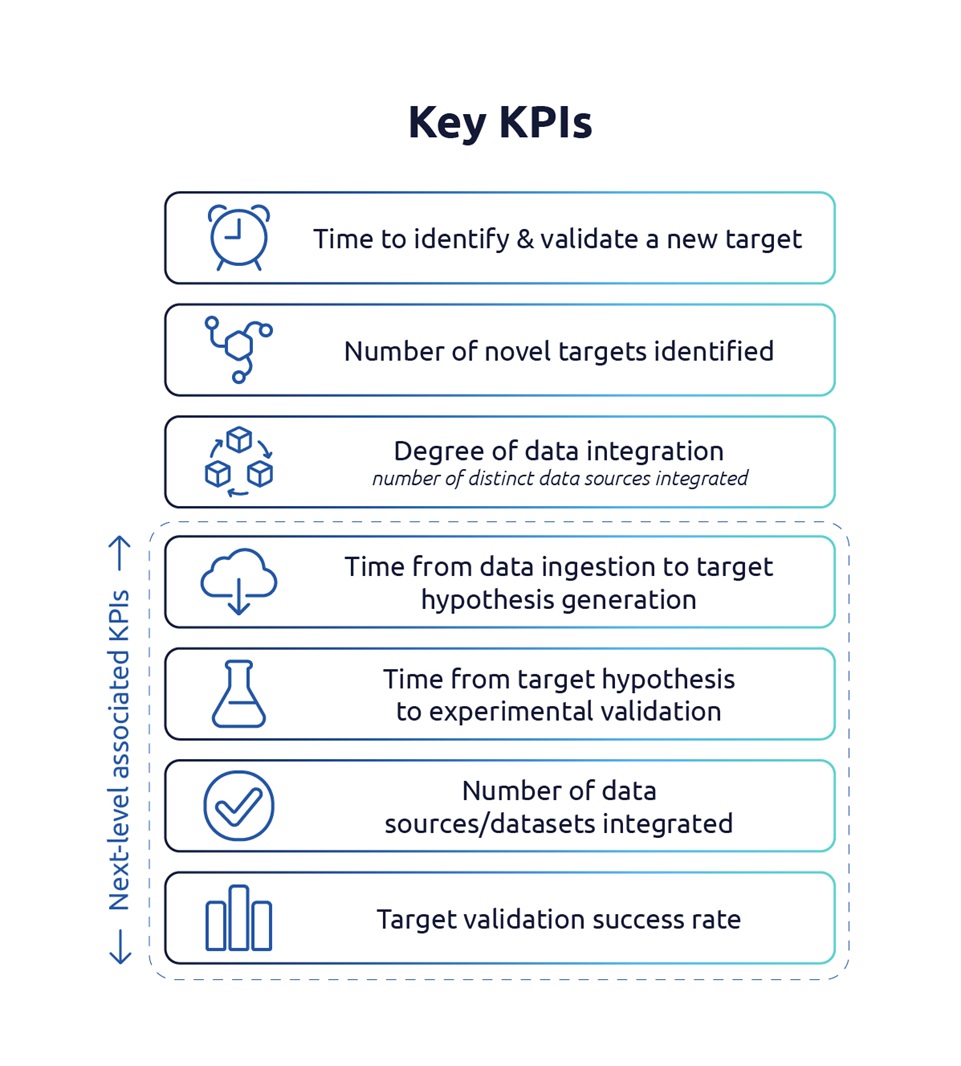
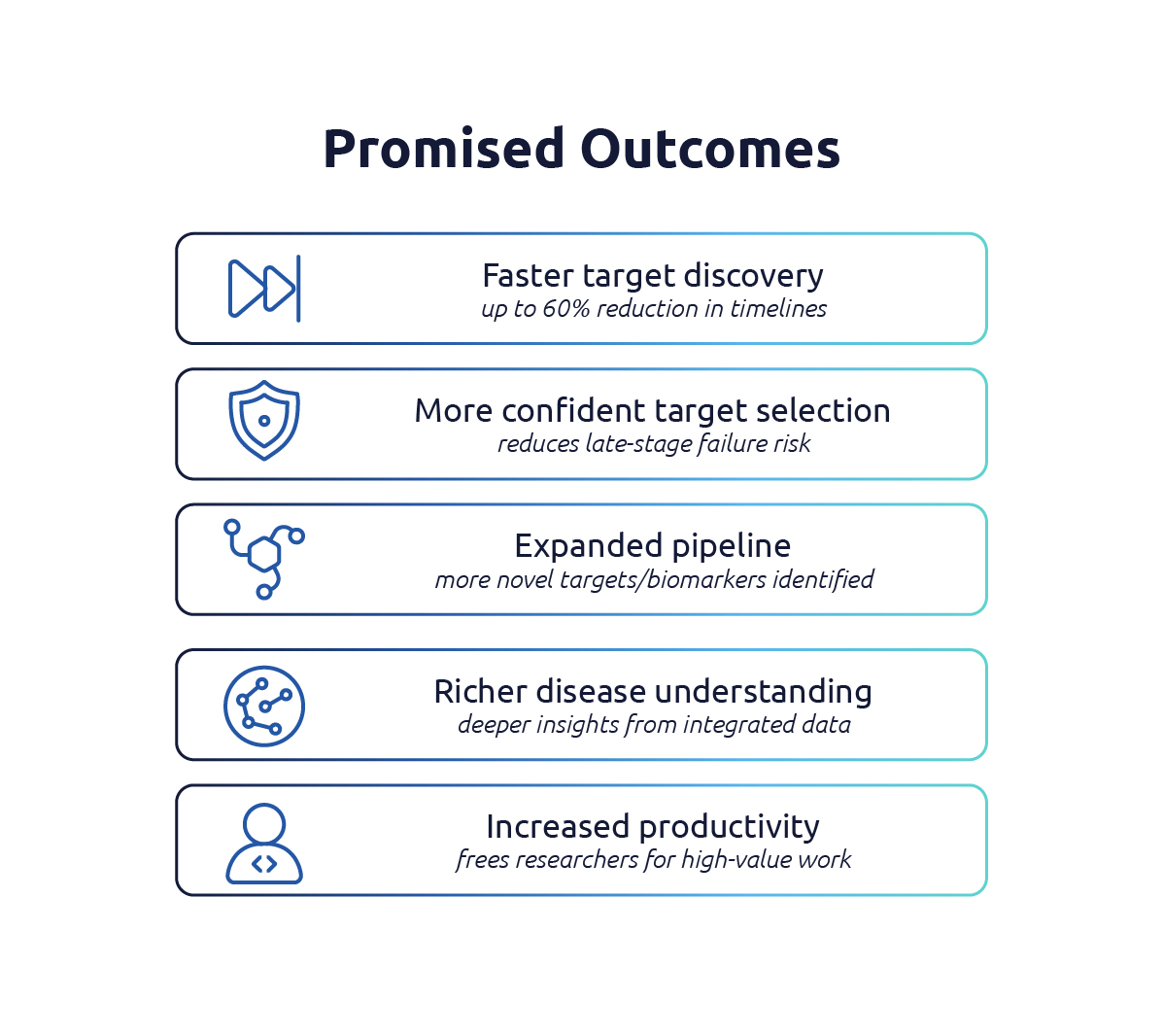
Crucial areas of focus:Drug discovery begins with understanding the disease biology – identifying key mechanisms, pathways, and potential targets like proteins or genes. Digitalization is reshaping this phase by integrating genomic, proteomic, clinical, and literature data into unified platforms, enabling faster and deeper insights.
AI models can now cross-analyze multi-omics datasets to uncover novel targets that manual methods might miss. Tools like AlphaFold have transformed structural biology by predicting structures for virtually all catalogued proteins, helping assess “druggability” in minutes.
 Phase 2: Digital decision-making in modality selection
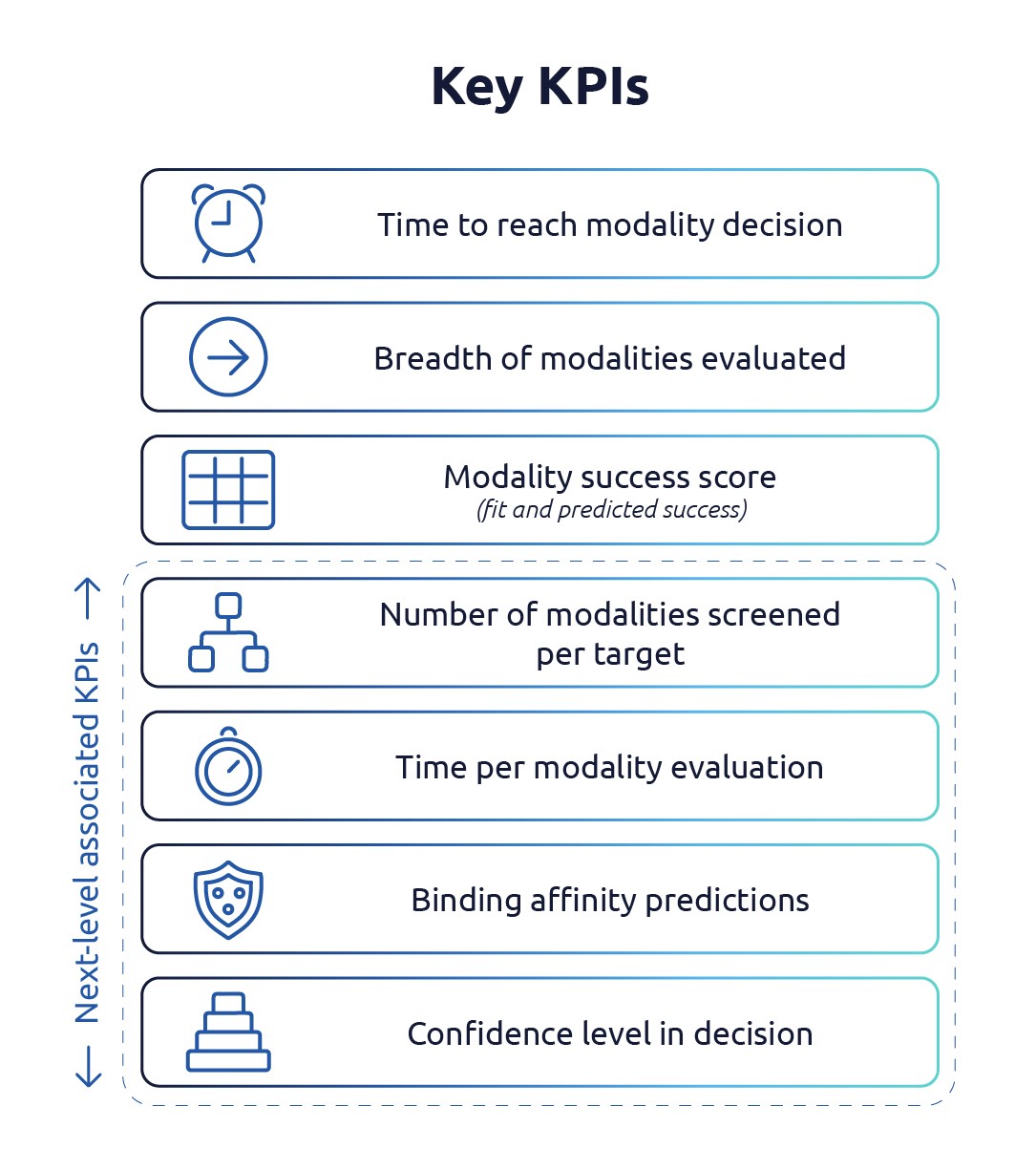
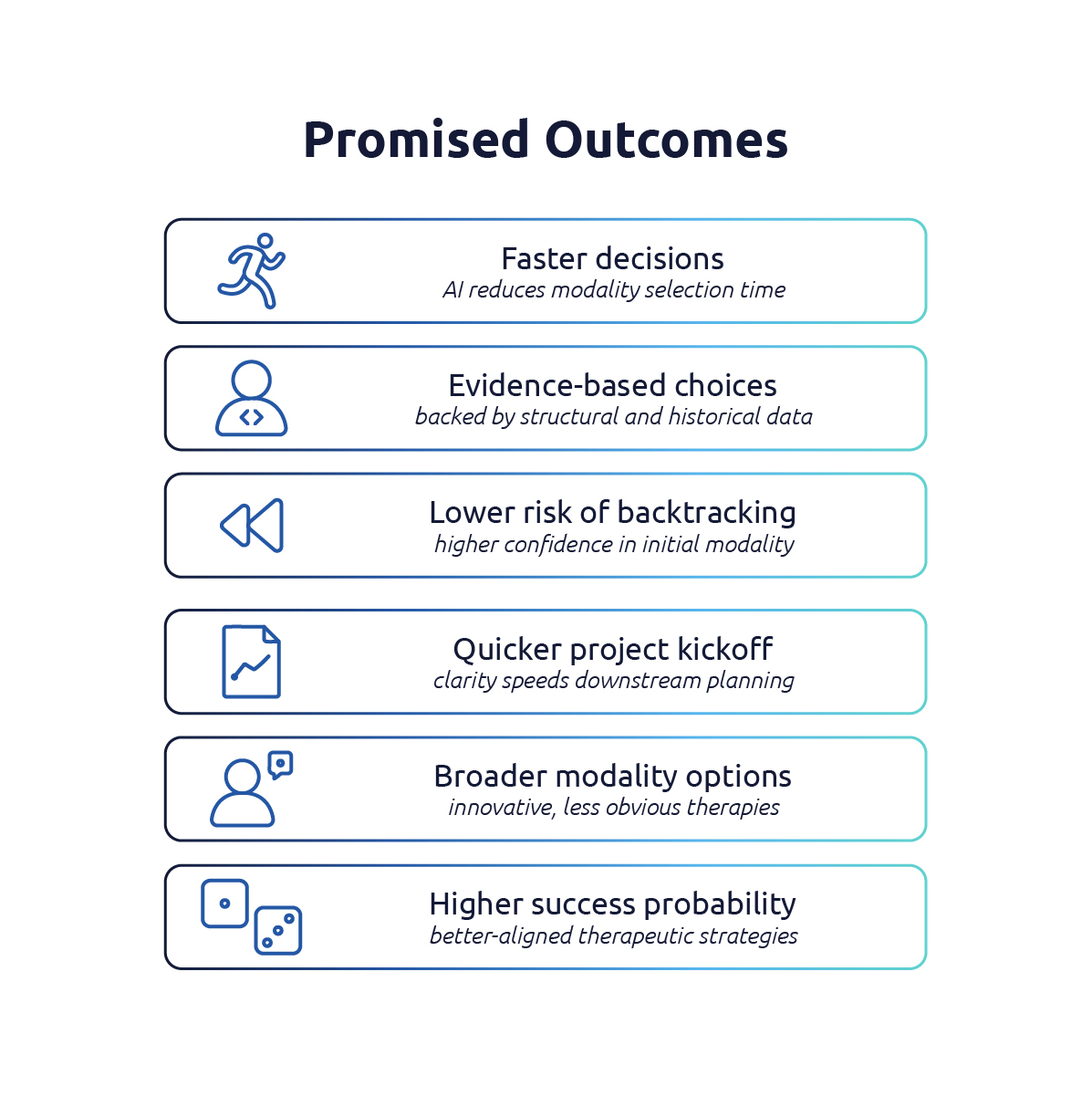
 Once a target is identified, the next step is choosing the best therapeutic modality (e.g., small molecule, biologic, gene therapy, etc.). Traditionally based on expert judgment, this decision is now being enhanced by AI and predictive modelling.
Digital tools analyze target properties (e.g., 3D structure, cellular location, pathway role) and historical data to recommend the most suitable modality. Additionally, silico modelling allows researchers to simulate how different modalities might interact with the target, enabling faster, more informed decisions.
 Phase 3: Accelerating hit Identification
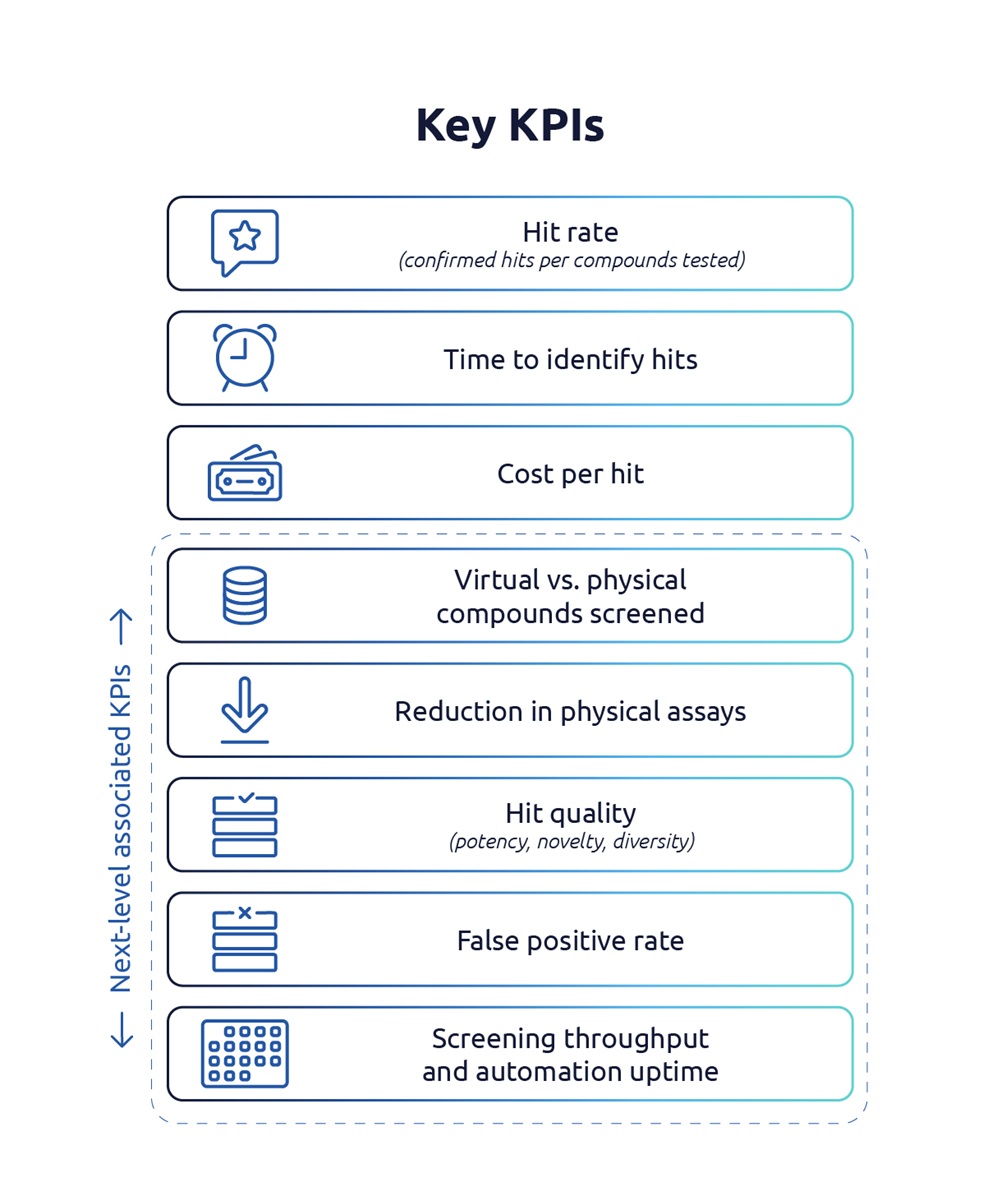
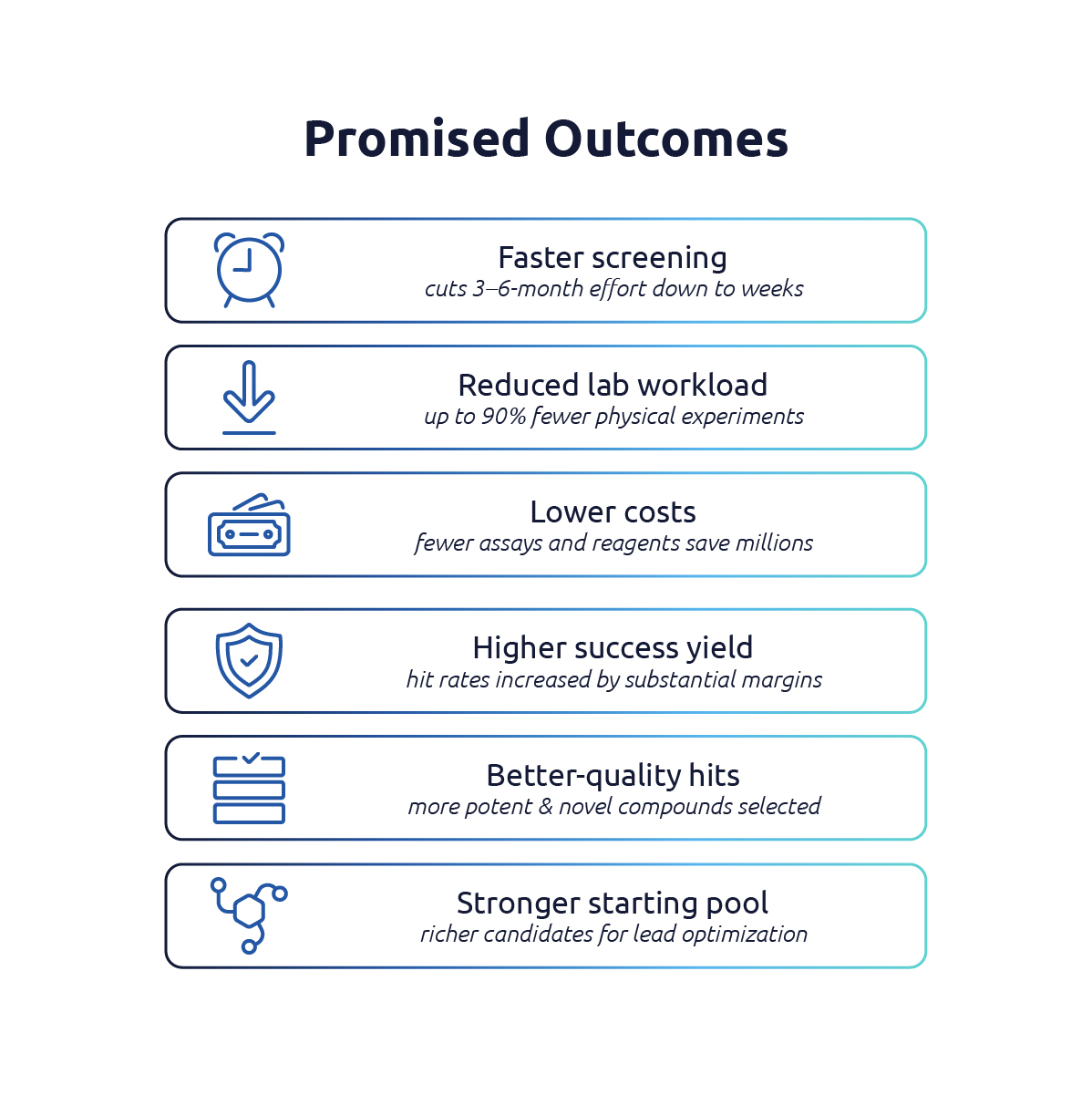
 Hit identification involves finding compounds that interact with the target, traditionally done via high-throughput lab screening. Digital transformation introduces AI-driven virtual screening and intelligent automation, dramatically improving speed, cost-efficiency, and hit quality.
AI-driven virtual screening can rapidly scan massive compound libraries to predict likely binders, streamlining candidate selection before lab testing. By screening billions of compounds, AI dramatically improves hit rates and reduces lab workload.
Industry success story – Numerion Labs: Numerion Labs’s platform screened 10 billion molecules in two days, with a ~7% hit rate, which by far exceeds traditional methods. Robotics and real-time data loops accelerate assays and feed Al for continuous learning. The end result: Faster, cheaper, more productive hit discovery. This is the power of AI in drug discovery.
 Phase 4: AI-accelerated hit-to-lead development
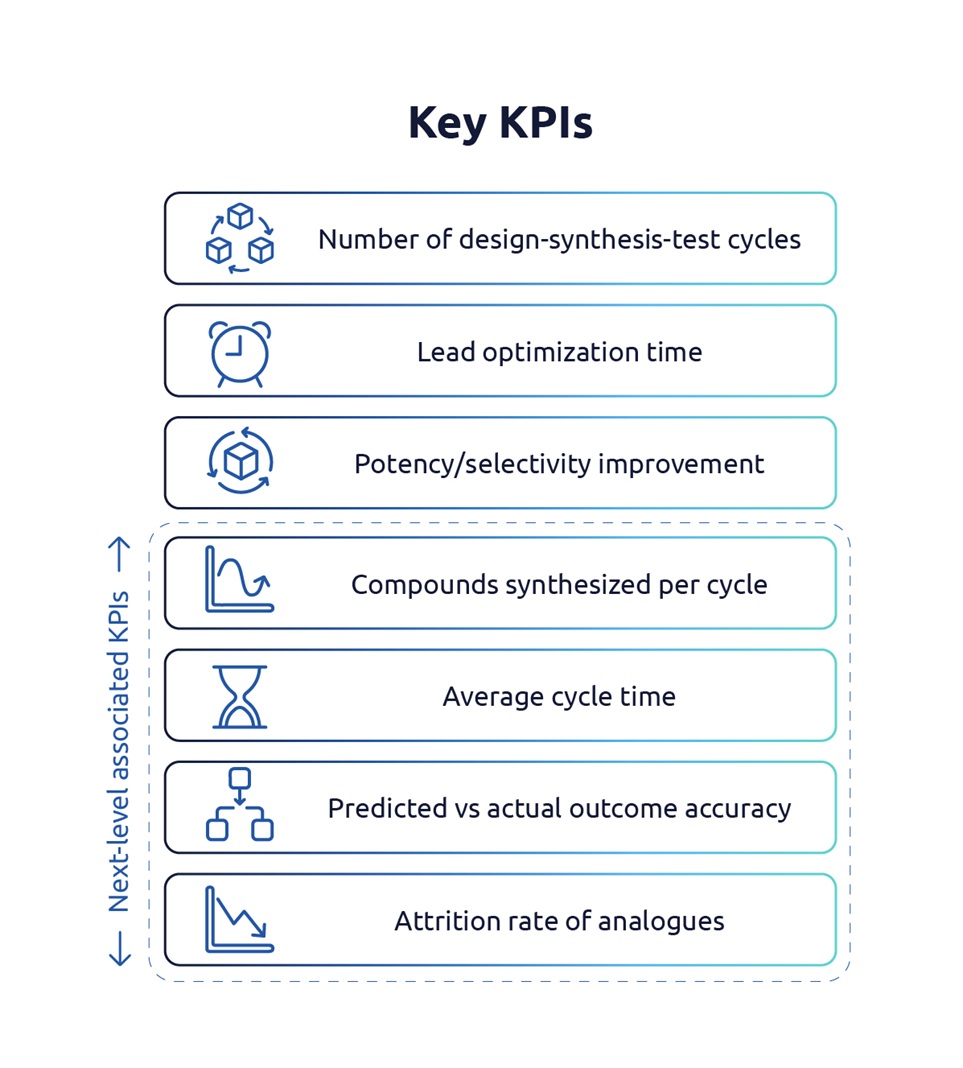
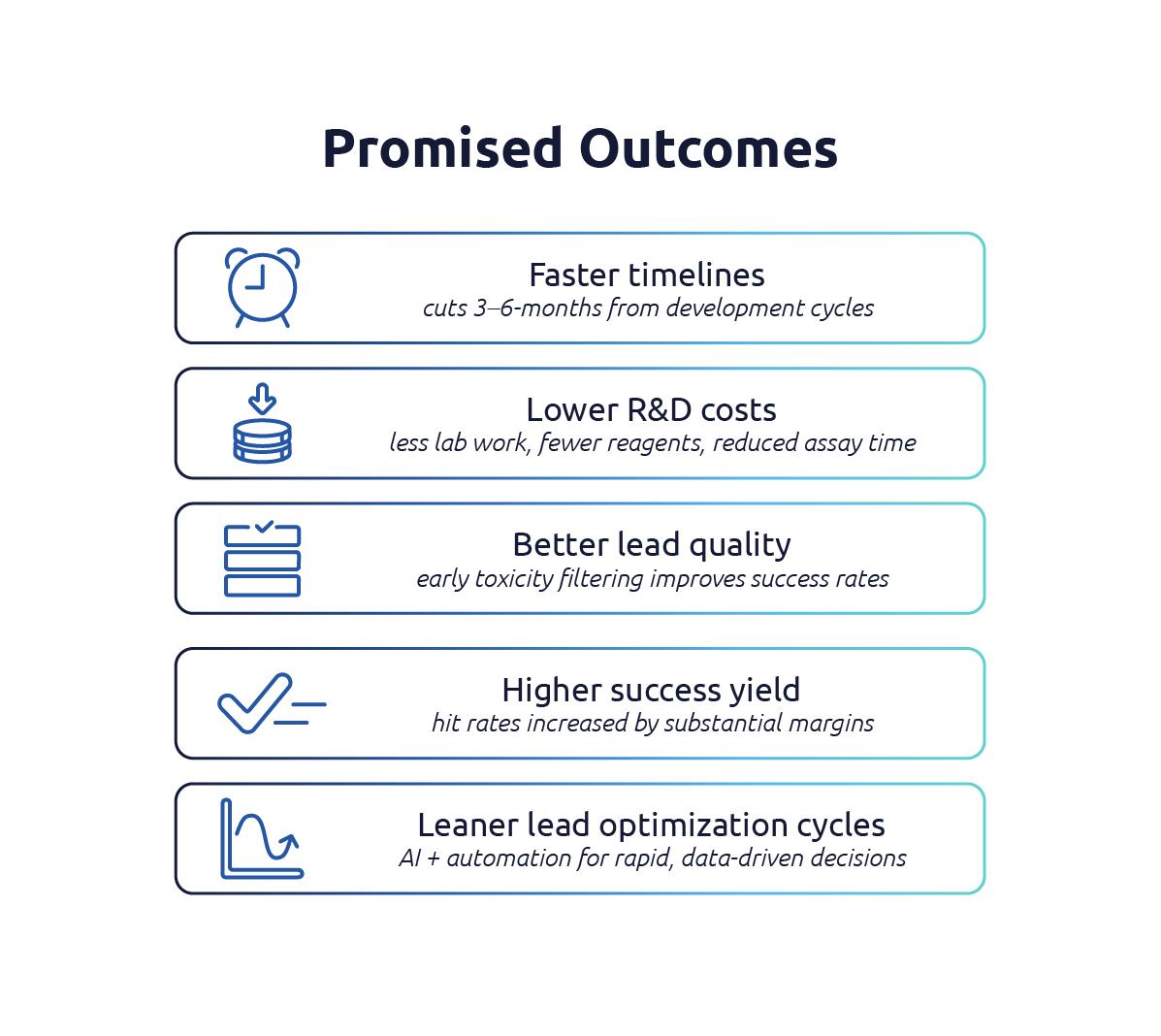
 The focus of this phase is on transforming promising “hits” into optimized lead compounds – candidates with strong efficacy, minimal side effects, and favorable pharmacokinetics. Traditionally slow and iterative, it is now accelerated by AI-driven design and automated synthesis.
Machine learning models can predict how structural changes impact a compound’s performance, such as binding affinity or solubility, helping chemists prioritize promising modifications. Generative AI (Gen AI) can even propose novel analogues tailored to desired properties.
By filtering out low-potential compounds in silico and leveraging automated synthesis and testing, the traditionally slow design-and-test cycle becomes a fast, data-driven loop. This tight human-AI chemistry accelerates convergence on high-quality lead compounds with fewer iteration.
 Phase 5: Refining leads into drug candidates to drug candidate
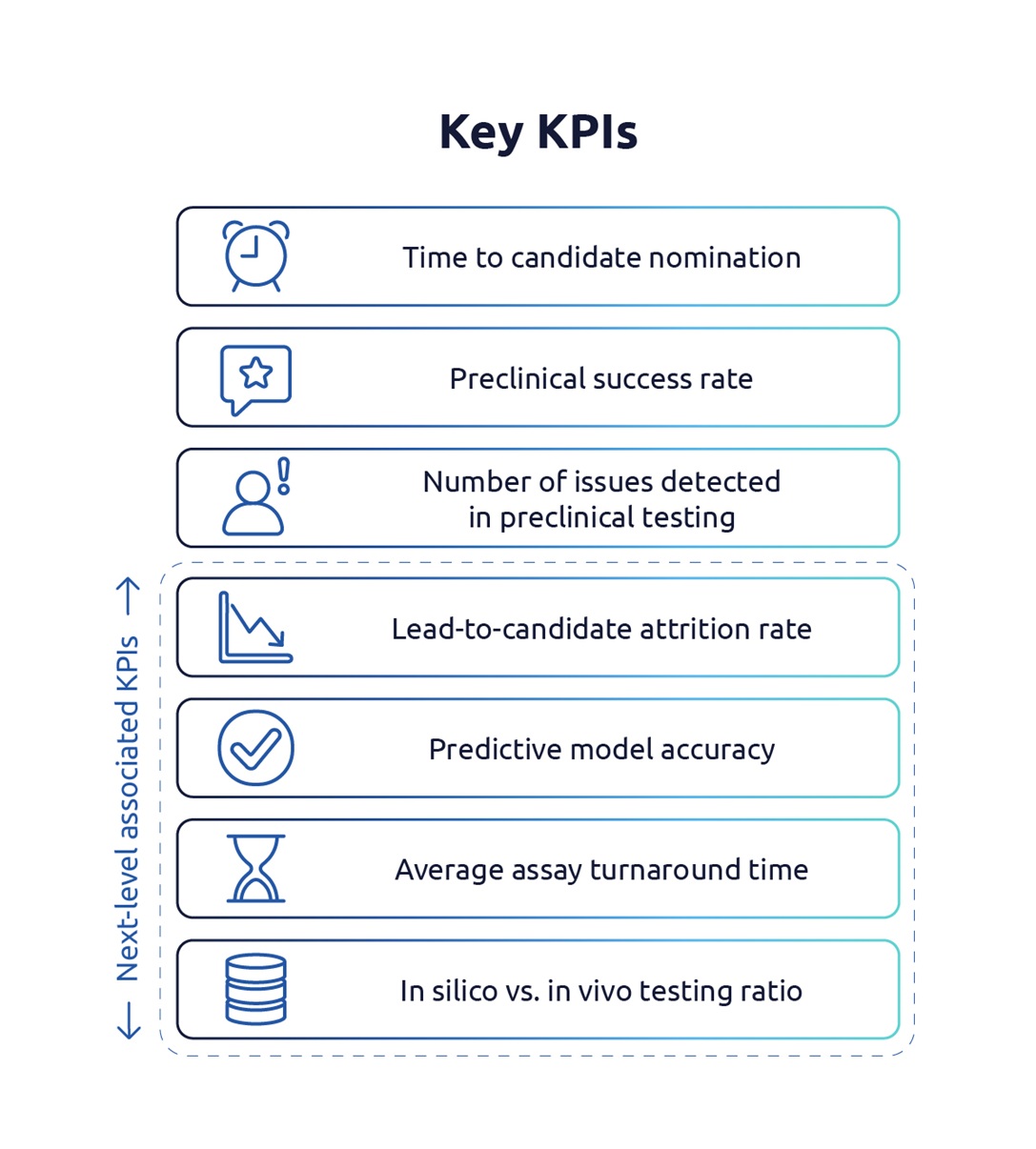
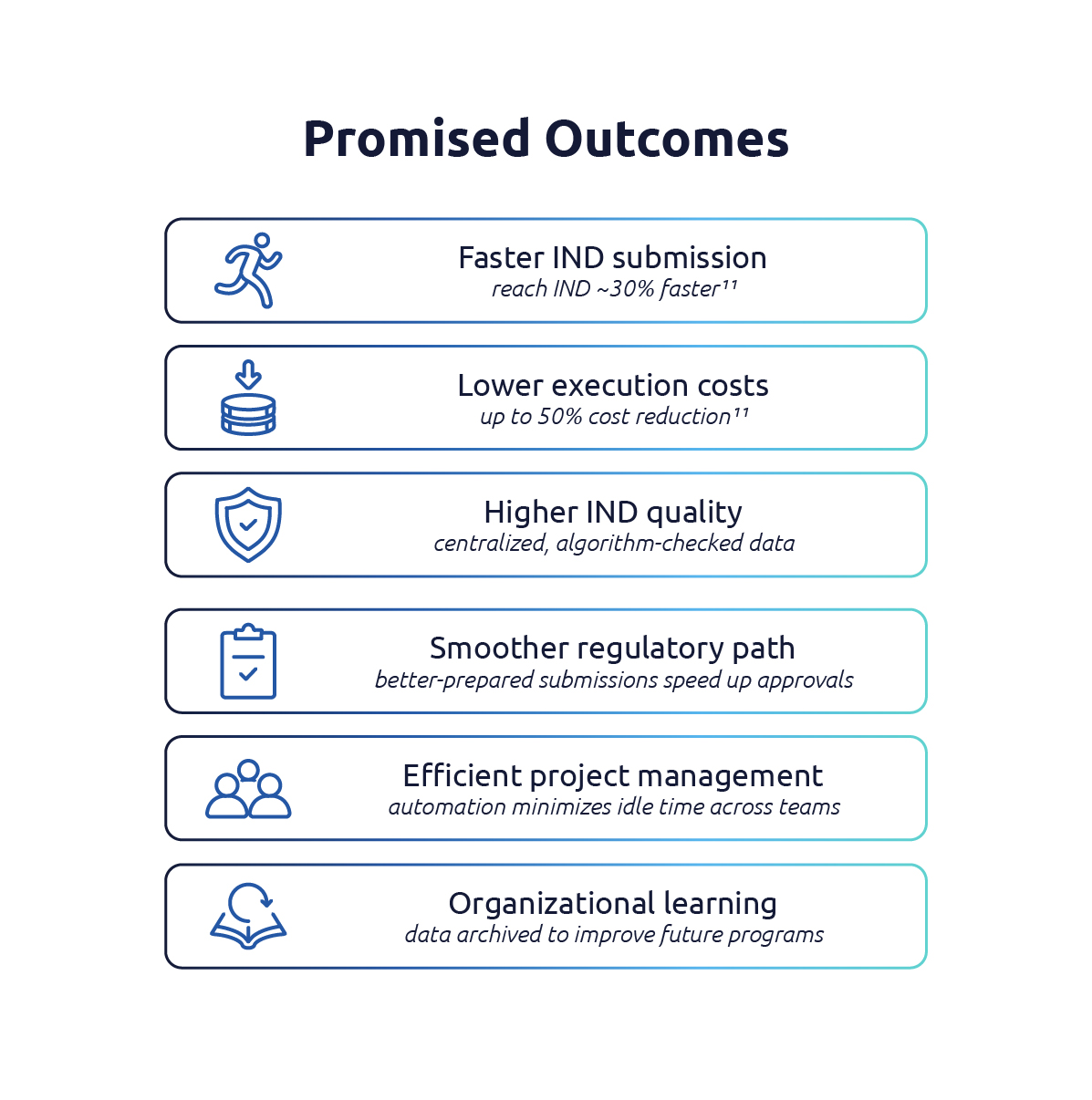
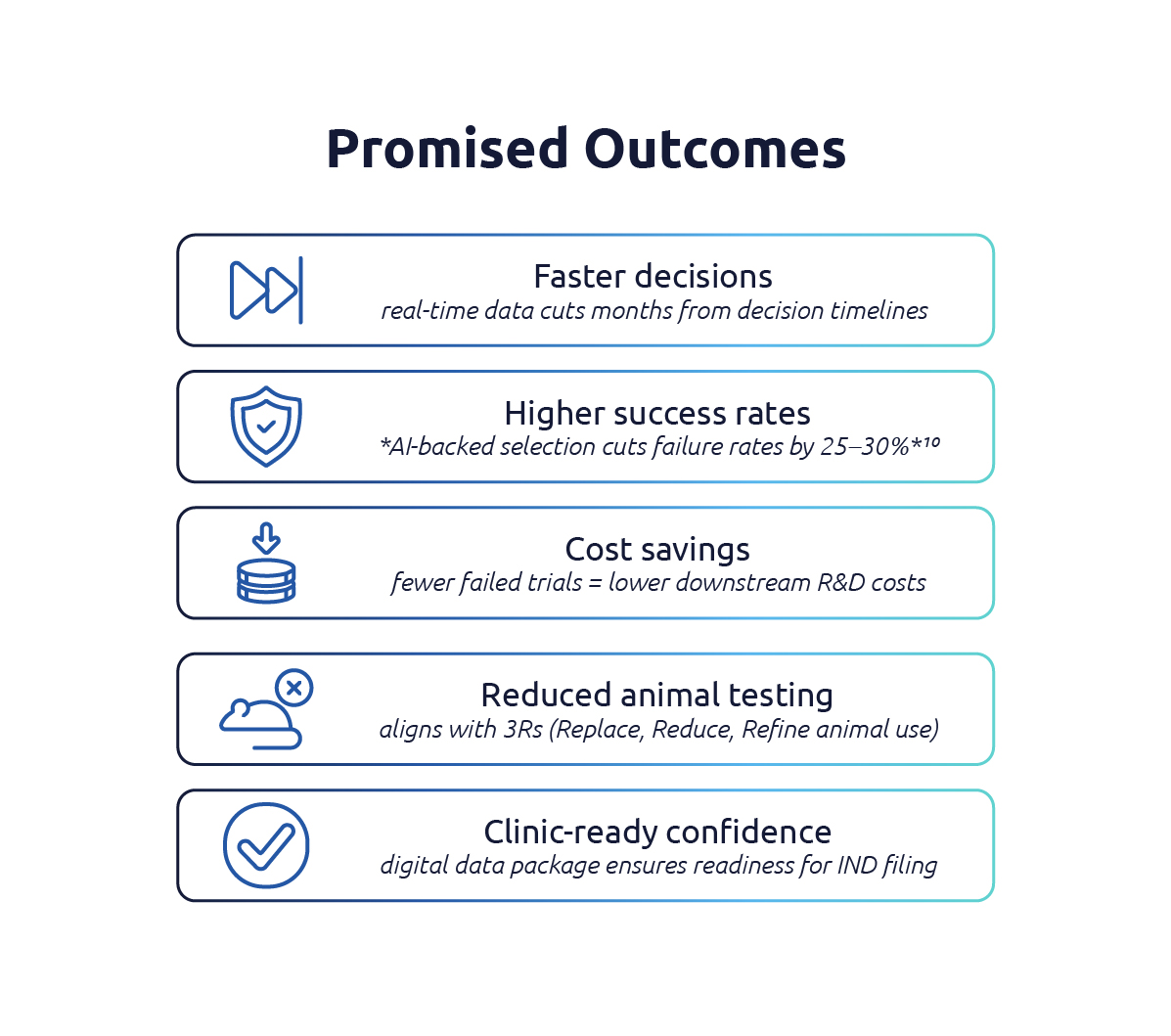
 Here, the top lead is refined and nominated as a drug candidate for preclinical testing. The focus is on de-risking to ensure efficacy, safety, and pharmacokinetics are acceptable before major investment.
Digital tools streamline this process through in silico Absorption, Distribution, Metabolism, Excretion, Toxicity (ADMET) predictions; simulation models, and integrated data dashboards. These help flag issues early, guide final tweaks, and enable faster, evidence-based decisions.
 Phase 6: Investigational new drug (IND) enablement through digital integration
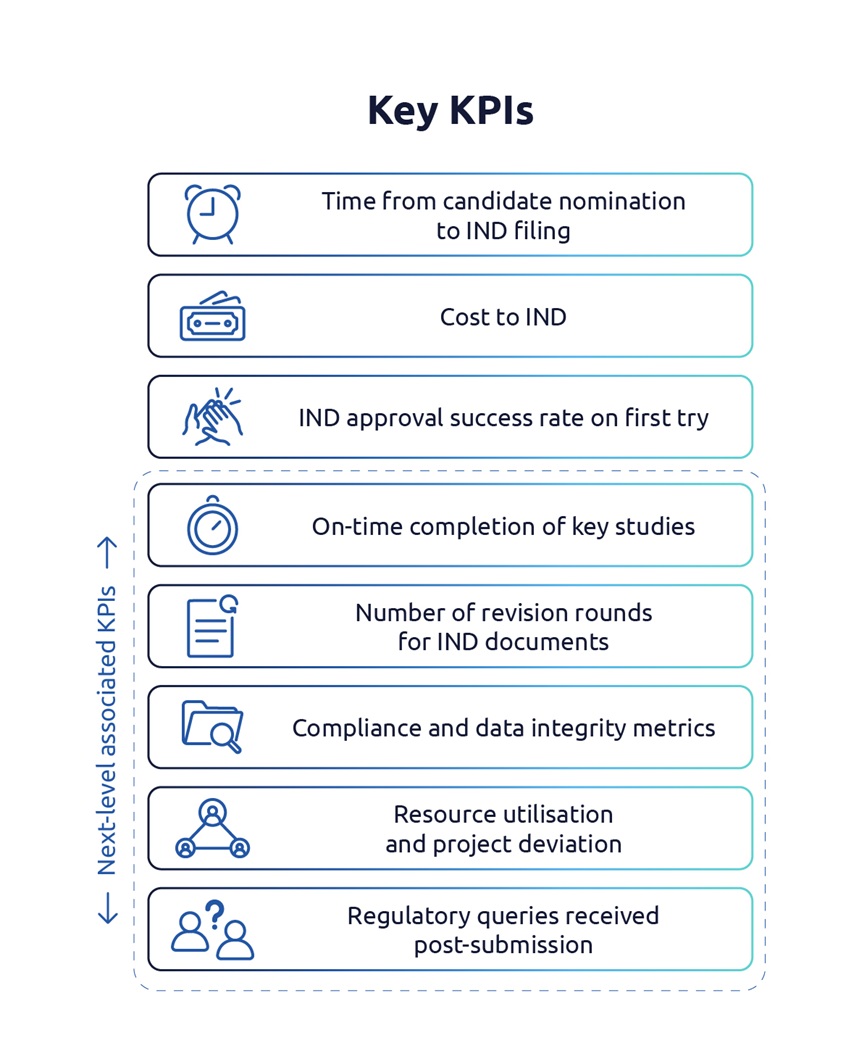
 This final phase prepares the Investigational New Drug (IND) application, consolidating safety data, manufacturing details, and regulatory documentation. Traditionally complex and time-consuming, it is now streamlined through digital project management, AI-assisted documentation, and centralized data systems.
AI tools help auto-generate dossier sections, check data consistency, and simulate key decisions (e.g., human starting dose). Integrated dashboards align toxicology, Chemistry, Manufacturing, and Controls (CMC); and regulatory teams, reducing delays and errors.
 Accelerating digitalization in pharma: The Payoff
 Across all six phases of early drug R&D, digital transformation is proving to be a gamechanger. From AI-powered target discovery to automated IND preparation, each step becomes faster, smarter, and more cost-effective.
By tracking both high-level KPIs and granular sub-metrics, organizations can quantify improvements in speed, cost, and success rates. Real-world examples show dramatic gains, such as reducing discovery-to-candidate timelines from four years to one and cutting IND prep time by 30%. In the next part of this Pharma Convergence series, “Unlocking system-wide productivity gains in R&D,” we’ll take a closer look at how to reverse the productivity crisis in drug discovery.
The ultimate beneficiaries are patients and healthcare systems, as promising therapies reach clinical trials and the market sooner. By embracing digital tools, pharma R&D evolves from a slow, manual process into an agile, data-driven enterprise, accelerating innovation without compromising scientific rigor.
| # | Наименование новости | Тональность | Информативность | Дата публикации |
|---|---|---|---|---|
| 1 | Next Gen Pharmacists Hunt for New Breakthrough Drugs with AI | 0 | 16.67 | 21-07-2026 |
| 2 | Scientists’ Side Hustle? Using AI and Quantum Computing to Generate New Peptides | 2 | 7 | 12-07-2026 |
| 3 | Drug Repurposing mit Graphtechnologie und KI | 2 | 7 | 01-07-2026 |
| 4 | Q&A: Deploying AI to create proteins never before seen in nature | 0 | 12.61 | 12-08-2026 |
| 5 | 🧬🤖 Можно ли запатентовать лекарство, если его придумал ИИ? | 0 | 7.35 | 31-07-2026 |
| 6 | Создана система ИИ, ускоряющая квантово-химические расчеты | 0 | 0 | 22-05-2025 |
| 7 | Teaching AI the biology of antibodies speeds drug discovery | 0 | 6.9 | 13-08-2026 |
| 8 | Drug and Dosage Recommendation Based on Explainable Generative AI Using Patient-Specific Modeling | 0 | 12.32 | 23-01-2026 |
| 9 | Mit KI zum Supermedikament: Sind Firmen wie Anthropic, Open AI und Co. die besseren Pharmakonzerne? | 0 | 8.92 | 12-10-2026 |
| 10 | Автоматизация и ИИ в химическом контроле: быстрый рывок без строительства новых заводов | 0 | 9.25 | 17-09-2026 |