Просмотр новости
Найдите то, что Вас интересует
 Спутники
 РН
РН SpaceX
 Роскосмос
 NASA
NASA
СпутникиРНSpaceXРоскосмосNASAIndian startup Dognosis combines trained detection dogs with sensors and AI to flag cancer-associated signals from breath, with a 10,000-person Phase 3 trial underway.
 Dognosis
AI apparently doesn’t need to replace every biological system. Dogs are still keeping their jobs, at least for now. An Indian startup from Bengaluru, Karnataka, is training dogs with sensors and machine learning. Patients breathe normally into a face mask for about 10 minutes, ship the sealed sample to a lab, and let the dogs get to work.
The dogs are trained to identify changes in volatile organic compounds, or VOCs, associated with cancer. Sensors meanwhile track signals including movement, respiration, brain activity, and body language, which Dognosis’ AI translates into standardized data rather than relying entirely on a human handler interpreting each animal’s behavior.
The early numbers are quite promising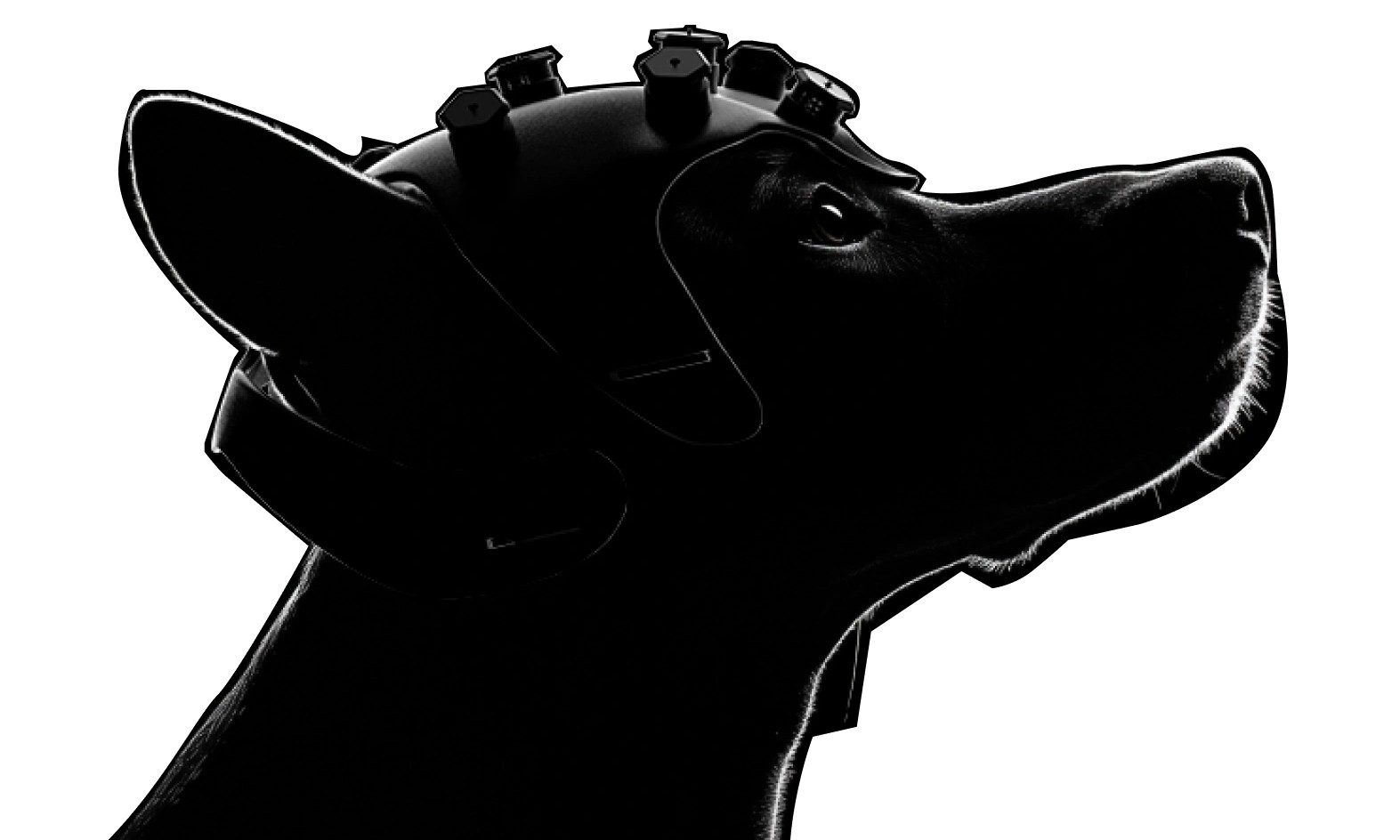 Dognosis
Dognosis’ Phase 2 study included 1,502 participants, including 283 people with biopsy-confirmed cancer. Seven trained dogs helped identify more than 90% of cancers and more than 91% of non-cancer samples across seven cancer groups, with similar performance reported for early-stage disease.
Recommended Videos
The startup claims that the system targets more than 20 cancer types, including breast, lung, cervical, and oral cancers. Its Phase 3 trial began in April across 10 hospitals and aims to enroll roughly 10,000 people. Dognosis eventually wants around 30 dogs to support as many as one million tests annually.
But you have to keep in mind that this isn’t a proper diagnosis solution. BreathEasy is being developed as a prescreening tool, so a positive result would direct someone toward further medical testing rather than provide a cancer diagnosis. The current large-scale trials still need to establish how well the approach performs in broader clinical use.
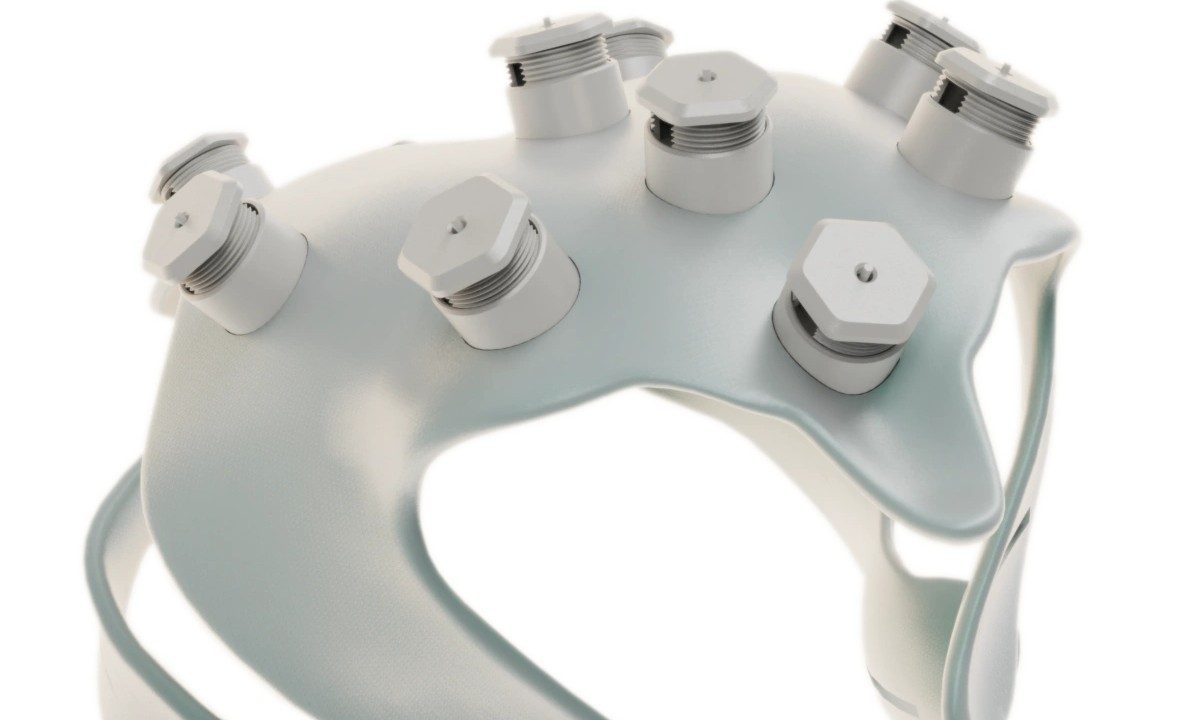 Dognosis
Dogs might be training their replacements
Dognosis
Dogs might be training their replacements
The company wants to learn enough from canine olfaction to reproduce those abilities using sensors, potentially removing dogs from the process entirely. So even dogs aren’t safe from being replaced. For now, their noses provide the biological sensing hardware while AI tackles consistency and scalability.
Dognosis is targeting an at-home prescreening launch in India in 2027 for a few thousand rupees. If its larger trials hold up, breathing into a mask and letting an AI-assisted dog sniff it could become considerably less strange than it sounds.

Vikhyaat Vivek is a tech journalist and reviewer with seven years of experience covering consumer hardware, with a focus on…
A tight squeeze could fix the biggest hurdle for solid-state car and gadget batteries
A simple mechanical trick could replace complex chemistry fixes to make solid-state batteries safer, faster, and more reliable.

Solid-state batteries have long been promised as the holy grail of energy storage. They promise to double energy density compared to traditional options, slash charging times, and eliminate the risk of thermal fires. Despite that, the technology has yet to achieve widespread commercial adoption, and the main culprit is dendrites. These microscopic, needle-like structures form inside solid-state batteries during charging, bore through the solid ceramic electrolyte, and bridge the electrodes, causing a short circuit.
Now, researchers from SLAC National Accelerator Laboratory and Stanford University have discovered a surprisingly simple fix for this persistent problem. According to a paper published in the science journal Nature, applying controlled mechanical pressure to the ceramic electrolyte prevents these short circuits, allowing test cells to survive thousands of charge cycles without failing.
Anthropic previews new standard to streamline AI-to-machine connections
The Model Hardware Standard provides a universal translation layer, giving AI agents standard controls to run lab equiment and factory machines.
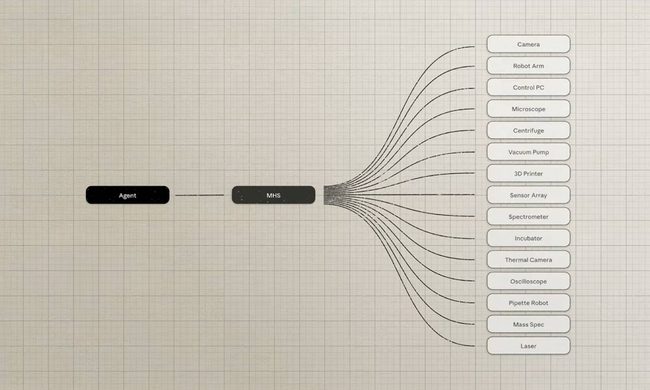
Anthropic has launched a research preview of its Model Hardware Standard (MHS), a shared specification designed to let AI agents safely control lab instruments and factory equipment. The company claims MHS reduces the time required to integrate complex machinery with AI from months down to hours or minutes. The standard is currently available to select research labs and manufacturers via a waitlist, but Anthropic plans to open-source it in the future.
How the standard connects AI to physical devices
Gemini Omni can now extend videos to 40 seconds and upscale them to 4K

Generating a short AI video is one thing; getting several shots to actually look like they belong in the same video is a much harder problem. Google is taking another swing at that with Gemini Omni 1.1 Flash, its latest generative video model aimed at giving creators and developers much more control over what happens between the first frame and the last.
The biggest change is how much of an existing video Gemini can remember when you ask it to continue a scene. Omni 1.1 can look at up to 10 seconds of previous footage for context, rather than relying on just the final second. That should help it keep characters, environments, and the general direction of a scene more consistent instead of effectively guessing what should happen next.
| # | Наименование новости | Тональность | Информативность | Дата публикации |
|---|---|---|---|---|
| 1 | Свердловские дерматологи тестируют ИИ для диагностики рака кожи | 0 | 6.12 | 18-08-2026 |
| 2 | Профессор Джибладзе: ИИ поможет обнаружить рак шейки матки на ранней стадии | 5 | 7 | 15-07-2026 |
| 3 | В Магнитогорске начали применять ИИ для выявления онкозаболеваний | 0 | 0 | 14-03-2025 |
| 4 | Разработана цифровая система диагностики злокачественных изменений | 0 | 0 | 04-04-2025 |
| 5 | ИИ спасает жизни: разработка из Челябинска помогает выявлять рак на ранней стадии | 0 | 12.7 | 11-08-2026 |
| 6 | New AI tool predicts cancer spread with surprising accuracy | 0 | 8.13 | 21-03-2026 |
| 7 | A laser focus on melanoma | 0 | 10 | 19-02-2026 |
| 8 | A simple blood test could detect multiple cancers and reveal where they started | 0 | 5.78 | 11-08-2026 |
| 9 | Компания "Сколково" привлекла $400 тыс. инвестиций для вывода на рынок нового онкотеста | 0 | 0 | 19-10-2018 |