Просмотр новости
Найдите то, что Вас интересует
 Спутники
 РН
РН SpaceX
 Роскосмос
 NASA
NASA
СпутникиРНSpaceXРоскосмосNASAWritten by Abigail Heffernan, MusicWorx Intern from San Diego State University Do you ever find that music helps you unwind, concentrate, or power through a long day? Whether it’s playing in the background while you work, clean, or commute, music is a constant companion for many. Particularly, music therapists employ music as a potent therapeutic […]
The post Intern Series: Music Therapy – Common Misconceptions appeared first on MusicWorx.
Written by Abigail Heffernan, MusicWorx Intern from San Diego State University  Do you ever find that music helps you unwind, concentrate, or power through a long day? Whether it’s playing in the background while you work, clean, or commute, music is a constant companion for many. Particularly, music therapists employ music as a potent therapeutic tool to promote recovery, development, and general wellbeing. Despite this, a lot of individuals still have false beliefs about music therapy, frequently believing it to be nothing more than casual music-making or passive listening. Many times, music therapy is misinterpreted and reduced to mood playlists, background music, or “feel-good” activities with minimal therapeutic benefit. In actuality, it is a methodical, research-based approach run by qualified experts who purposefully employ music to promote mental, emotional, and physical objectives within the context of a therapeutic relationship. By dispelling these widespread myths, we can gain a deeper understanding of the significance of music therapy, not just as an artistic medium, but also as an effective means of connection and healing. The potential to more effectively incorporate music therapy into healthcare, education, and daily well-being increases with awareness.
People without music therapy knowledge often associate it with calming and relaxing music, ignoring its use for emotional processing or physical rehabilitation. While relaxing music can be therapeutic, customized music creation (such as singing, composition, or improvisation) fulfills emotional, physical, cognitive, and social requirements that goes beyond passive listening. It can be used to enhance cognitive function, improve motor skills and physical rehabilitation, and foster social connection. This type of therapy is used by music therapists to treat a wide variety of ailments. Usually, it’s a supplemental treatment. This indicates that it’s a component of a more comprehensive treatment strategy that might involve medications (SSRIs, mood stabilizers, antipsychotics, etc.) or other therapies (occupational, physical, individual, group, couples, DBT, CBT, etc.). It aids emotional regulation, reduces pain perception, boosts self-confidence, and acts as a non-pharmacological tool for managing symptoms of dementia, autism, and mental health disorders. There are numerous contexts in which music therapy is used, including hospitals, schools, nursing homes, senior centers, clinics for outpatients, centers for mental health, homes for individuals with developmental difficulties, facilities for the treatment of substance use problems, correctional establishments, and many more.
Misconception 2: Anyone who enjoys music can practice music therapyA major misconception suggests that anyone can become a music therapist as long as they are musicians. Major differences exist between your everyday musician and a music therapist. While musicians can provide entertainment, music therapists use clinical, evidence-based interventions to address nonmusical goals; and go through a lengthy process to become board certified. This training includes earning a bachelors of music therapy or an equivalency program, going through a full time, six month, AMTA-approved or University-affiliated internship, and taking the board certification exam.. In addition, this process not only focuses on music and the performance aspect, but also many psychological and medical topics including abnormal and developmental psychology, behavioral disorders, neuroscience, human anatomy and physiology, gerontology, and medical terminology. They also study psychiatric diagnoses, pain management, and trauma-informed care, enabling them to use music to improve cognitive, physical, and emotional health. 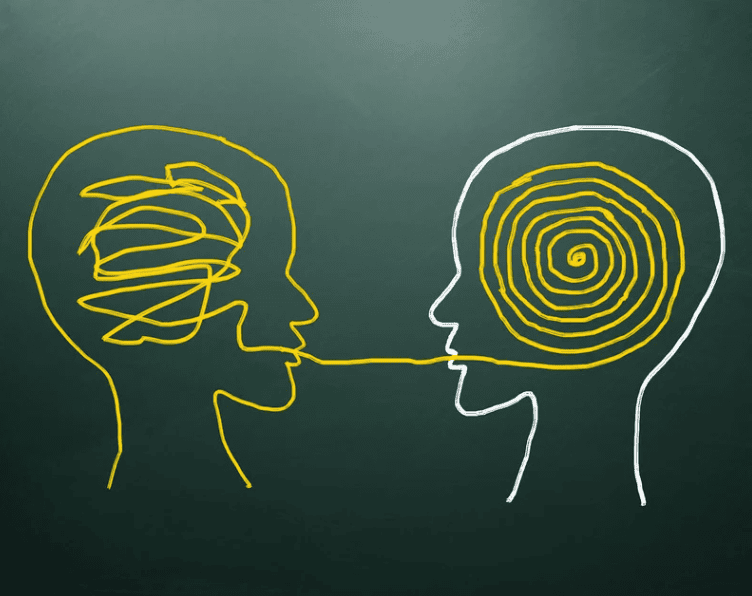
Music therapy is for people of all ages and all walks of life, ranging from premature infants in the NICU to the elderly in hospice care. While it is widely used in pediatric care to aid healthy development, it is just as effective for adults and elderly, supporting needs including dementia, stroke recovery, Parkinson’s disease, cancer care, and trauma. Examples of common uses for music therapy for each age range include:
So is music therapy actually backed by scientific evidence? Strong, empirical research supports music therapy, especially in the areas of neurological and mental health. It can affect physiological processes that improve both physical and emotional well-being. Research on individuals with mental illnesses has demonstrated a discernible increase in their mental well-being following music-based therapies. Studies employing functional magnetic resonance imaging (fMRI) and electroencephalograms (EEG) reveal that listening and actively creating music both activate the limbic system, auditory cortex, and amygdala, which regulate emotions. While musical intervention promotes neuroplasticity and rehabilitation, rhythmic auditory stimulation has been shown to enhance walking and balance in stroke patients. It has been demonstrated that engaging in group music activities increases endorphin release, which helps elevate pain thresholds and fosters social connection. National Institute of Health: Music, Mental Health, and Immunity American Psychological Association: Music and the Mind American Music Therapy Association
ConclusionUltimately, understanding that music therapy is a rigorous, clinical discipline – rather than just a casual activity – allows us to appreciate its true value. By moving past these common misconceptions, we recognize music therapy as a vital clinical resource for healing and connection. As our collective understanding grows, we pave the way for music therapy to play an even more essential role in healthcare and education, enhancing the well-being of individuals across all stages of life.
| # | Наименование новости | Тональность | Информативность | Дата публикации |
|---|---|---|---|---|
| 1 | Intern Series: My Experience at MusicWorx | 0 | 6.61 | 18-05-2026 |
| 2 | Intern Series: Launching the Kaleidoscope Choir for My Internship Project | 0 | 6.61 | 11-05-2026 |
| 3 | Intern Series: What I Learned When a Case Study Didn’t Go as Planned | 0 | 5.85 | 07-05-2026 |
| 4 | Intern Series: Building the Music Bridge | 0 | 7.6 | 03-05-2026 |
| 5 | Intern Series: The Word No One Likes to Say | 0 | 6.05 | 02-05-2026 |
| 6 | Voice from the Field: Reflections | 0 | 6.78 | 01-05-2026 |
| 7 | Cantar Es Sanar: Inside the Music Therapy Reaching What Medicine Can’t | 0 | 10.41 | 09-08-2026 |
| 8 | 🎵 Песни разбитой кушетки: как психологиня и клиент взорвали чарты ... | 0 | 8.08 | 31-07-2026 |
| 9 | A Bibliometric Analysis of Music's Role in Promoting Well-Being in Health Science Research [version 3; peer review: 1 approved, 2 approved with reservations] | 0 | 8 | 26-05-2026 |
| 10 | Curiosity profiles, creative self-beliefs, and well-being in music-related undergraduate training | 0 | 35 | 08-08-2026 |