Просмотр новости
Найдите то, что Вас интересует
 Спутники
 РН
РН SpaceX
 Роскосмос
 NASA
NASA
СпутникиРНSpaceXРоскосмосNASAA friend asks you to put a few thousand into their startup on a SAFE. The document looks simple, the relationship makes it awkward, and both are reasons to ask more questions, not fewer.
The post Investing in a Friend’s Startup? Questions to Ask First first appeared on VentureLab.
A friend you believe in asks you to put a few thousand dollars into their startup. They send over a SAFE, it looks like a two-page formality, and saying no feels like doubting them. That mix of a simple-looking document and an awkward relationship is exactly why this deserves more questions, not fewer.
Small angel checks into friends’ companies happen constantly now, usually on a standard SAFE template shared through a portal. The document is short by design. What it does to your money, and to your friendship if things go sideways, is not short at all. A SAFE is a real financial commitment with a real chance of returning nothing.
This is an educational, questions-to-ask guide for the non-professional writing a first check into someone they know. It will not tell you whether to invest. It will help you ask what a careful investor would ask, even when the founder is a friend across the dinner table.
Quick AnswerBefore investing in a friend’s startup on a SAFE, treat it like a real investment and do the diligence you would do for a stranger. Understand that a SAFE is a promise of future equity, not stock, with no interest, maturity, or repayment, so you could lose the entire amount. Ask which SAFE form it is, whether it is a post-money SAFE (the current standard), what the valuation cap and any discount are, and whether you get pro-rata or follow-on rights, which usually live in a separate side letter rather than the SAFE itself. Request basic information a founder should share, and only invest money you can afford to lose without straining the friendship. If the terms or the company are complex, have a professional review the documents before you wire anything.
Table of Contents
Start with the part no term sheet mentions. When you invest in a stranger’s company and it fails, you lose money. When you invest in a friend’s company and it fails, you can lose the money and strain the friendship, especially if you felt pressured or skipped questions to be polite. That double exposure is the real price of a friends-and-family check.
So decide up front that asking hard questions is not an insult, it is how you protect both the money and the relationship. A founder worth backing will expect diligence and answer it plainly. Reluctance to answer is itself information. Many first-timers get this wrong, and the pattern shows up in our rundown of mistakes first-time angel investors make.
Do the diligence you would do for a strangerThe friendship should raise your diligence bar, because affection makes it easy to skip steps. Would you wire this amount to a founder you met last week without seeing anything? If not, do not do it here either. Look at the same basics a professional would: what the company does, who else is on the cap table, how the money will be used, and how long it lasts the business. These private offerings are high risk and are generally aimed at experienced backers, as the SEC’s overview of accredited investors explains. If the cap table already looks messy, that is worth understanding, and our note on cap table red flags for investors covers what to look for.
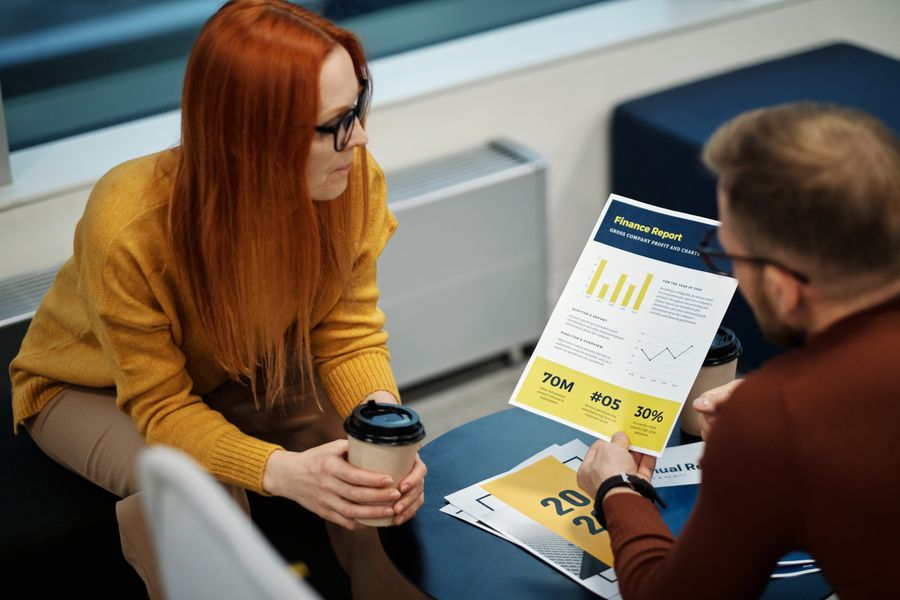
You do not need to be a lawyer, but you should understand a few terms in plain language before you sign. A SAFE is a contract where you give money now for the right to shares later, when a priced round happens, and the standard forms are published by Y Combinator. No shares change hands at signing, and there is no interest, maturity date, or repayment, so it is a bet, not a loan.
For the full term-by-term breakdown, including the MFN clause, our guide on the questions to ask before signing a SAFE goes deeper than this friends-and-family view needs to.

Here is a detail small investors miss. The right to invest again in later rounds to maintain your ownership, called a pro-rata or follow-on right, is often not part of the standard SAFE. It typically lives in a separate side letter you have to ask for. If keeping your stake as the company raises more money matters to you, raise it now, because adding it later is much harder once the round is closed.
What to request before you wireA founder raising legitimately should be able to share a basic picture without hesitation. Ask for how much is being raised and on what cap, who else has invested or committed, a simple use-of-funds summary, and the current runway. You are not demanding a data room for a small check, but you are confirming there is a real plan behind the ask.
The questions to ask, at a glance| Ask about | The question | Why it matters |
|---|---|---|
| Instrument | Is this a post-money SAFE, and which form? | Decides how your ownership is calculated |
| Price | What is the valuation cap and any discount? | Sets how much of the company your check buys |
| Follow-on | Do I get pro-rata rights, in a side letter? | Usually not in the SAFE; ask before closing |
| The company | Use of funds, runway, who else is in? | Confirms a real plan behind the ask |
| Downside | Can I lose all of this comfortably? | Protects the money and the friendship |
This article is educational and general in nature, not investment, legal, financial, or tax advice. Angel investing in early-stage startups is high risk and can result in the total loss of your money, and terms and rules vary by situation and jurisdiction. Consult a licensed financial, legal, or tax professional about your specific circumstances before making any investment or signing any document.
Frequently Asked QuestionsIs a SAFE a loan I get paid back?No. A SAFE is a contract that gives you the right to future equity when a priced round happens, with no interest, maturity date, or repayment. If the startup fails before converting, there is usually nothing to pay back and your money can be lost entirely, which is why it is a bet rather than a loan.
How do I know how much of the company my check buys?On a post-money SAFE, your rough ownership is your investment divided by the post-money valuation cap, so a small check against a high cap buys a small slice. Ask for the cap and any discount, and remember future rounds will dilute you unless you have pro-rata rights.
What is a discount, and how does it differ from the cap?A discount gives you a percentage off the per-share price that new investors pay at the priced round, so you get more shares per dollar. A cap sets the maximum valuation you convert at. If a SAFE has both, you generally get whichever produces more shares for you.
Should I ask for pro-rata rights on a small check?If keeping your ownership percentage in later rounds matters to you, yes, and ask early. Pro-rata or follow-on rights are usually not in the standard SAFE and live in a separate side letter. Requesting it after the round closes is much harder, so raise it before you wire.
How much should I invest in a friend’s startup?Only an amount you can lose completely without straining the friendship or your finances, since friends-and-family rounds are high risk. There is no right number here, but sizing the check to your true risk tolerance protects both the relationship and your peace of mind if it does not work out.
What To Do NextBefore you reply to your friend, separate two decisions: whether you want to support them, and whether this is a sound investment. They are not the same, and conflating them is how people end up resentful. Read the SAFE, ask the questions above in plain language, request a basic picture of the company, and size the check to what you can lose. If anything is unclear, have a professional look before you wire. Handled that way, a yes is a confident one and a no is a respectful one, and the friendship survives either answer.
| # | Наименование новости | Тональность | Информативность | Дата публикации |
|---|---|---|---|---|
| 1 | SAFE MFN Clause Risks: What Startup Investors Should Check | 0 | 8.23 | 12-08-2026 |
| 2 | Equity Crowdfunding Red Flags: What to Check Before Investing | 0 | 6.97 | 13-08-2026 |
| 3 | Tokenized Asset Guaranteed Yield Scam: Red Flags for Investors | 0 | 8.93 | 13-08-2026 |
| 4 | Treasury ETF Wash Sales: Questions to Ask Before You Swap | 0 | 9.98 | 09-08-2026 |
| 5 | Switching Robo-Advisors for Tax-Loss Harvesting? Ask These Questions First | 0 | 13.5 | 09-08-2026 |
| 6 | Идея есть, но нужны деньги. Как привлечь инвестиции в технологический проект? | 0 | 9.54 | 24-09-2026 |
| 7 | Portfolio Tracker Doesn’t Match Your Broker? A Reconciliation Template | 0 | 7.48 | 09-08-2026 |
| 8 | Bootstrapping, AI, "building for a flip": Central European VCs have their say | 0 | 6.89 | 25-09-2026 |
| 9 | Taxable Auto-Investing: Index Fund or Target-Date Fund? | 0 | 17.23 | 09-08-2026 |
| 10 | Fidelity vs Vanguard Taxable Account: Which Fits Long-Term Investors? | 0 | 9.81 | 12-08-2026 |