Просмотр новости
Найдите то, что Вас интересует
 Спутники
 РН
РН SpaceX
 Роскосмос
 NASA
NASA
СпутникиРНSpaceXРоскосмосNASAJERUSALEM (VINnews) — Three years after the October 7, 2023, Hamas massacre and the outbreak of the Gaza war, the IDF has released a comprehensive summary of its wartime operations, including casualty figures, the scale of its strikes and major changes implemented in response to the failures exposed by the attack. According to the IDF, […]
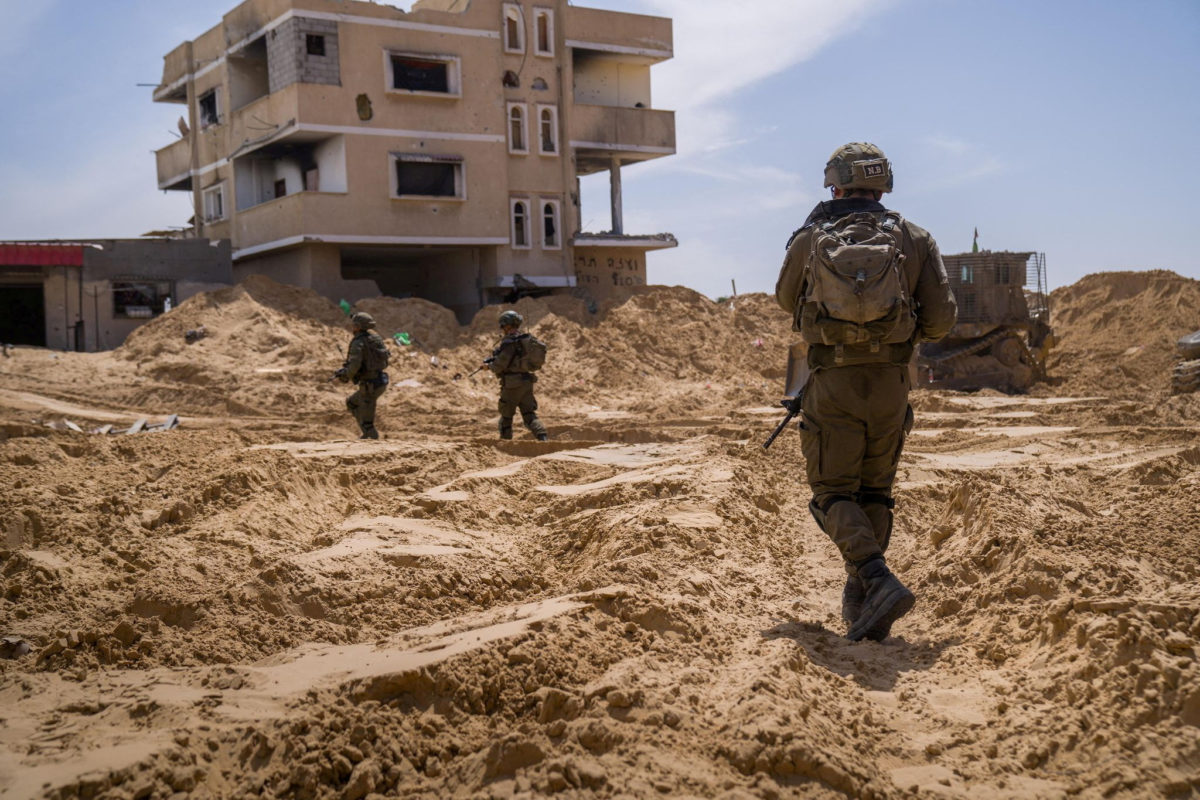 FILE PHOTO: A picture released by the Israeli Army says to show Israeli soldiers conducting operations in a location given as Tel Al-Sultan area, Rafah Governorate, Gaza, in this handout image released April 2, 2025. Israeli Army/Handout via REUTERS THIS IMAGE HAS BEEN SUPPLIED BY A THIRD PARTY/File Photo
JERUSALEM (VINnews) — Three years after the October 7, 2023, Hamas massacre and the outbreak of the Gaza war, the IDF has released a comprehensive summary of its wartime operations, including casualty figures, the scale of its strikes and major changes implemented in response to the failures exposed by the attack.
Subscribe to our Daily Roundup Email
According to the IDF, its forces have eliminated a significant portion of Hamas’ senior command structure since the beginning of the war. In cooperation with the Israeli Air Force, Military Intelligence Directorate and Operations Directorate, the military has killed four heads of Hamas branches, 17 brigade commanders, approximately 60 battalion commanders and around 300 company commanders.
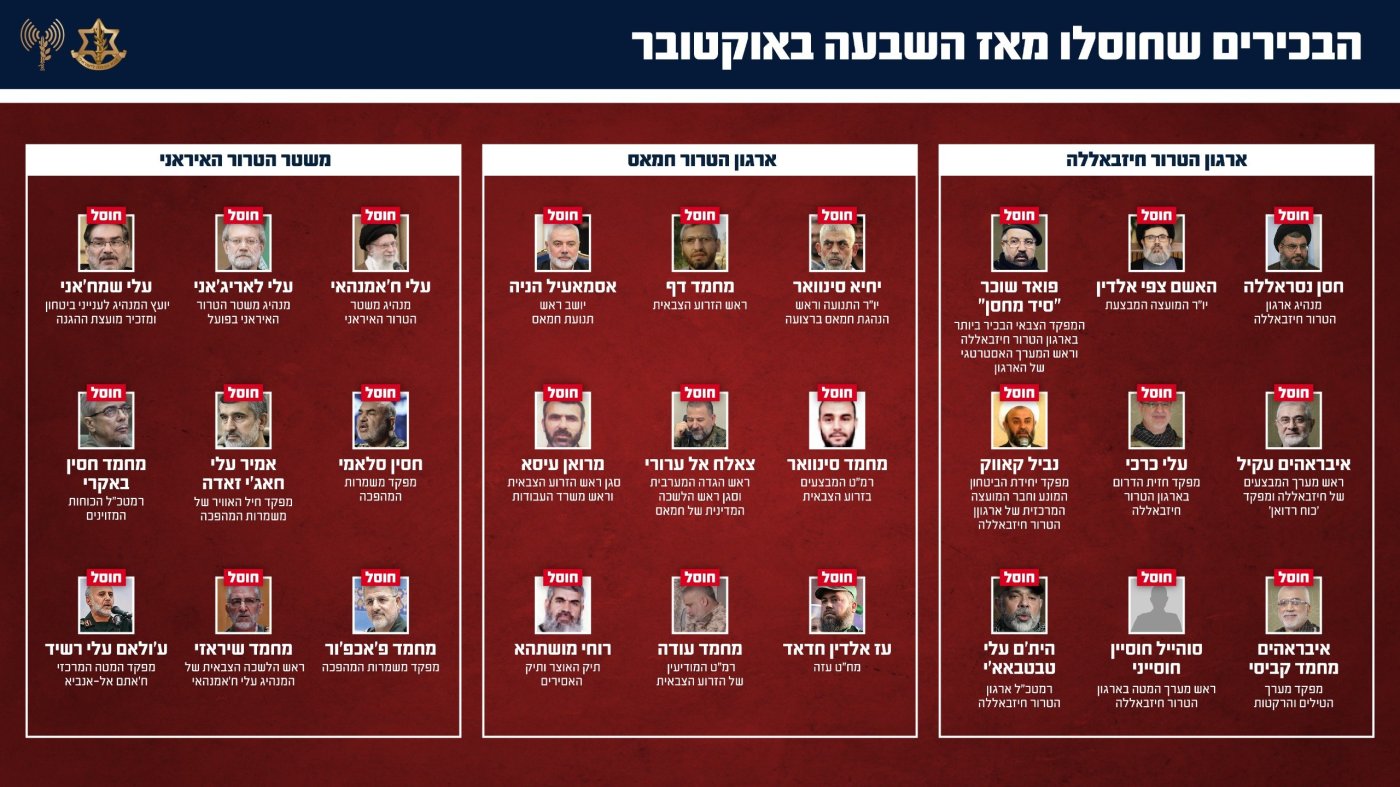
Enemies eliminated since Oct. 7
The IDF said that a major focus of the lessons learned from October 7 has been strengthening the defense of Israeli communities near the Gaza border.
Security infrastructure has been upgraded, including fences, security roads, fortified positions, gates, lighting, radar systems and surveillance equipment. Local defense squads and security coordinators have also received additional weapons, protective equipment, communications systems and drones. The military has introduced the “Netz” application to improve information sharing and communication between local defense forces.
Following investigations into the October 7 breach of the Gaza border barrier, the IDF constructed a substantial new physical barrier incorporating advanced technological capabilities both above and below ground. The objective is to reduce Hamas’ ability to approach the border and prevent future infiltrations into Israeli territory.
The military also reported extensive destruction of Hamas infrastructure in Gaza, based on improved intelligence and a deeper understanding of the terrain. Hundreds of sites have been destroyed or cleared, including rocket-launching positions, weapons depots and other terrorist infrastructure.
The IDF said it has also expanded the systematic drilling method used to locate underground infrastructure. More than 4,000 drilling operations have been conducted since the ceasefire in October, enabling forces to locate and destroy underground facilities. Among the underground infrastructure destroyed were tunnels in the Beit Hanoun area and other major tunnel systems along the so-called Yellow Line.
The Israeli Air Force has also significantly changed its preparations following the lessons of October 7. The Air Force developed new operational plans for the possibility of a sudden, large-scale war on multiple fronts, including scenarios involving attacks on Israel’s borders. Authorities expanded the powers granted to commanders in the field, adjusted intelligence-gathering efforts and changed the force’s defensive and offensive deployment.
The number of aircraft and other forces maintained at immediate readiness has increased by as much as four times compared with the situation on the eve of the war, and by as much as six times in certain formations.
The Air Force also strengthened its command-and-control capabilities and its ability to rapidly establish an operational picture during both defensive and offensive operations. Readiness for surprise attacks is now tested regularly through exercises involving field commanders and operational headquarters.
According to IDF figures, approximately 100,000 targets have been struck across the various theaters since the beginning of the war.
The IDF also reported approximately 10,200 projectiles launched toward Israel from Gaza, around 20,000 from Lebanon, approximately 1,200 from Iran, 50 from Syria and 90 from Yemen.s
The military said that 970 soldiers have been killed in operational circumstances since the beginning of the war. More than 70% of soldiers wounded during the war have subsequently returned to military service.
In the West Bank, Israeli forces have seized more than 3,800 weapons and arrested or detained approximately 45,000 wanted individuals for questioning. According to the IDF, those detained included weapons dealers and holders, individuals suspected of planning imminent attacks, terror operatives, stone and Molotov cocktail throwers, and people suspected of assisting terrorism. More than 46 million shekels allegedly intended to finance terrorism were also confiscated.
Meanwhile, the Eshkol Regional Council held its central memorial ceremony marking three years since October 7, commemorating the 259 residents from the Western Negev region who were murdered in the massacre.
Residents from communities across the region attended the ceremony, including people from communities whose residents have not yet fully returned home, as well as bereaved families and former hostages.
Eshkol Regional Council head Michal Uziyahu said that although all of the council’s hostages had returned home and communities were gradually rebuilding, the recovery remained a long process.
“Three years later, all of our hostages have returned home and our communities continue on the road back, but there are no shortcuts,” Uziyahu said. “Sometimes it seems that specifically now the pain is greater, and only now are we beginning to process another layer of what happened to us.”
She recalled that 259 residents and visitors were murdered and 119 were abducted from the area.
At the same time, she pointed to signs of recovery. More than 750 babies have been born in Eshkol since October 7, which she described as a symbol of hope and rebuilding.
New homes are being constructed in Mivtahim, a new neighborhood for young families has been inaugurated in Nirim, and preparations are underway for Be’eri residents to return next year. Children from the seventh grade have already begun studying in the region, while Nahal Oz has seen renewed community activity, including what local officials described as its first wedding since October 7.
The council said that approximately 800 young people participating in national-service programs and pre-military academies are currently living in the region, alongside families who have moved there from across Israel.
“Eshkol Regional Council is a community,” Uziyahu said. “We will continue this journey together, demanding accountability and the establishment of a commission of inquiry, while ensuring that a different reality and meaningful security, not merely a feeling of security, is created.”
“In memory of the murdered and the fallen, and inspired by their light, we will do everything we can to be worthy of them,” she said.