Просмотр новости
Найдите то, что Вас интересует
 Спутники
 РН
РН SpaceX
 Роскосмос
 NASA
NASA
СпутникиРНSpaceXРоскосмосNASA
Conversations with students can provide educators with valuable information in regard to AI use in schools
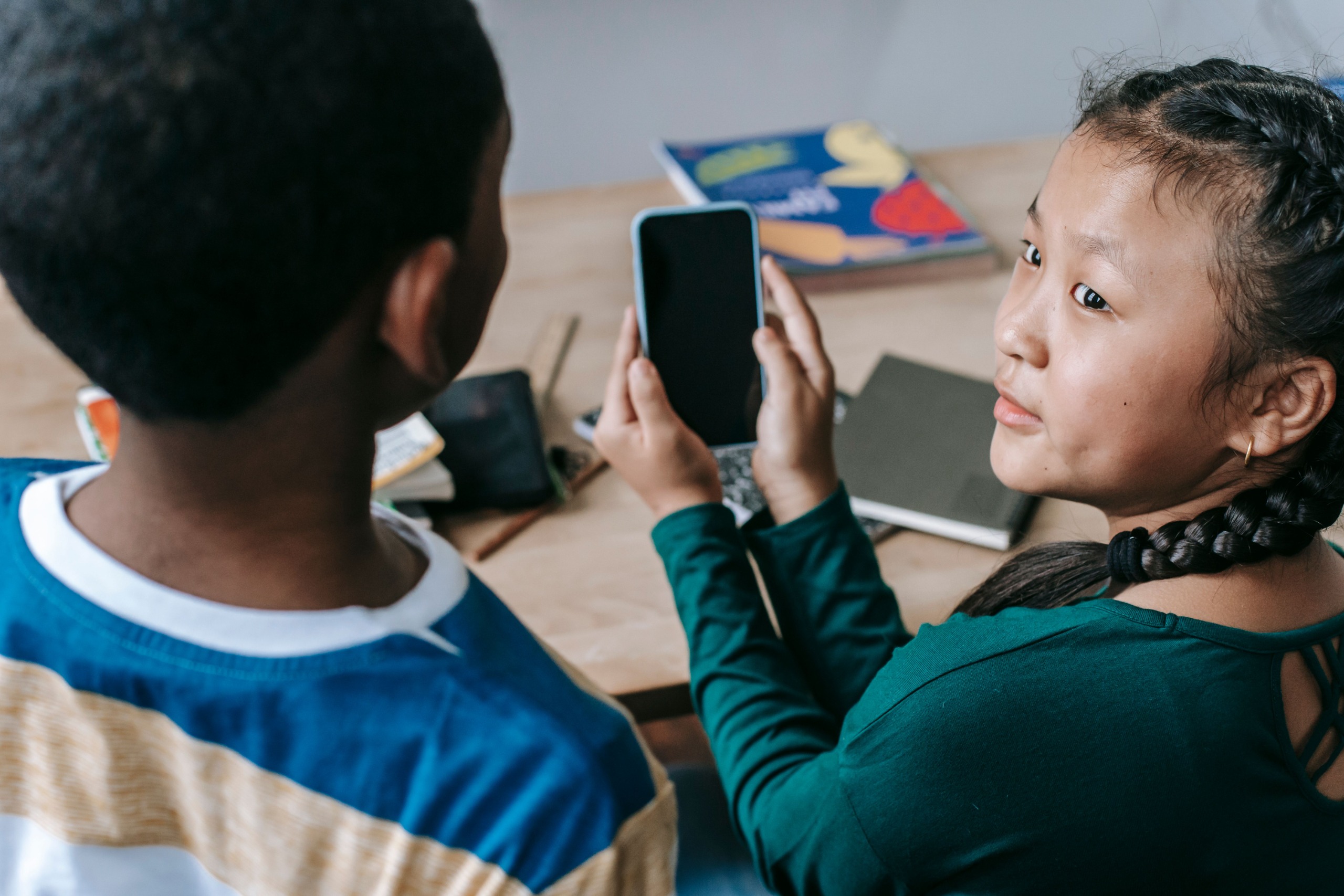 (Image credit: Pexels)
When schools make decisions about artificial intelligence, the conversation is usually led by adults. Administrators develop policies, educators establish classroom expectations, and technology leaders evaluate all of the platforms. These perspectives are essential, but I believe there is another important voice that is often included only after the decisions have been made, and that is the students who are already using AI.
Over the past year, I’ve had the opportunity to work with educators, leaders, students, and families across 12 school districts as they explored digital wellness, responsible technology use, and emerging questions about AI. Through student conversations, classroom visits, and task force planning sessions, I was reminded that students do not simply need to hear our guidance–their voice can help us create better guidance.
Students in third, fifth, and eighth grades, and in high school, offer insights that might otherwise be missed. They see AI used for homework, projects, online searches, and social interactions. They understand the pressure to finish work quickly and the temptation to seek help when an assignment feels confusing or overwhelming.
That does not mean students understand every risk. Knowing how to access an AI tool is not the same as knowing what happens to the information entered into it or why its responses may be inaccurate or biased. But listening to students can reveal where adult assumptions differ from their reality.
Several themes stood out in our conversations:
Students can also help us understand the difference between the AI use we see and the AI use we do not. Educators might notice AI-generated language in an essay, but students are using these tools for more than schoolwork. Some use AI to seek advice, generate images, rehearse difficult conversations, or ask questions they are afraid or uncomfortable asking another person. Taking time to listen to students will help schools think beyond academic integrity and consider data privacy, well-being, relationships, and digital citizenship.
When thinking about creating policies, students can have a positive impact when they are involved in the conversation, be it through surveys, focus groups, technology advisory groups, or opportunities to give feedback on proposed guidance. Educators can also incorporate regular reflection into classroom activities and ask students how they used AI, what it helped them do, what was not possible with AI, and whether they had any concerns while using it.
Tools and ideas to transform education. Sign up below.
Conversations such as these will provide educators with valuable information while also helping students to develop their AI literacy skills. Involving students shows that their perspectives are valued. Getting their input will help us understand how they are being affected by AI. When they have a comfortable space to share what they are seeing and experiencing and explain what they need, it leads to a stronger culture for learning about and working with AI.
If we want to prepare students to use AI thoughtfully, we need to ask what they are experiencing, listen to their answers, and let what we learn inform the decisions we make.
Dr. Rachelle Dené Poth is an edtech consultant, presenter, attorney, author, and teacher of Spanish and STEAM: Emerging Technology. Rachelle has a Juris Doctor degree from Duquesne University School of Law and a Doctorate in Instructional Technology. Rachelle specializes in Artificial Intelligence, AI and the Law, AR/VR, Cybersecurity, and STEM. She has more than eight years of teaching and presenting on AI in her classroom and working with educators worldwide. She is the author of ten books, including How To Teach AI. She is a blogger for Defined Learning, EdTech K12, Edutopia, and Getting Smart. She is the host of the ThriveinEDU podcast, ISTE's Learning Unleashed podcast, and The Lift by Amazon on BAM Radio Network.
| # | Наименование новости | Тональность | Информативность | Дата публикации |
|---|---|---|---|---|
| 1 | What My Freshman Daughter Taught Me About AI | 0 | 7.51 | 27-08-2026 |
| 2 | Best AI-Powered Tutors for Education | 0 | 17.4 | 21-08-2026 |
| 3 | 8 of the Best AI Teaching Tools | 0 | 10.41 | 17-08-2026 |
| 4 | AI and Student Wellbeing: 5 Takeaways from Common Sense Media’s New Course | 0 | 8.22 | 21-09-2026 |
| 5 | 10 Reasons To Stop Giving Students A Rubric (And Foster New Learning) | 0 | 10.37 | 02-09-2026 |
| 6 | Assessment After AI: Designing Student Work to Show Real Thinking | 0 | 6.94 | 13-08-2026 |
| 7 | Using AI for feedback, not ready-made answers, may help students earn higher grades | 0 | 5.44 | 07-10-2026 |
| 8 | Stop Trying to Detect AI. Start Creating Better Assignments | 0 | 8.89 | 05-10-2026 |
| 9 | Will AI ban for NYC students exacerbate the city’s digital divide? | 0 | 8.75 | 21-09-2026 |
| 10 | Two Students, Two Questions They Wouldn’t Let Go | 0 | 7.56 | 09-09-2026 |