Просмотр новости
Найдите то, что Вас интересует
 Спутники
 РН
РН SpaceX
 Роскосмос
 NASA
NASA
СпутникиРНSpaceXРоскосмосNASA
Sign up for the Nieman Storyboard newsletter, delivered every Friday in your inbox.
***
Dear Storyboard community:
During my new Nieman Storyboard podcast conversation with audio journalist Will James, we got to talking about the evolution of narrative storytelling in podcasts, but also the evolution of trust in media. James brought up the idea that authenticity has eclipsed authority as the main way people in media build trust with their audience.
“ I heard a misinformation researcher, I think it was Kate Starbird at [University of Washington], who mentioned that there was a time when the marker of trust was authority,” James told me. “So it was the authoritative newscaster voice who spoke very carefully, that spoke in this measured tone. It carried this weight that people had edited these words, people had thought carefully about these words. People used to trust that sound. Something has flipped. Now that sounds inauthentic to people and a marker of trust is authenticity. It's the guy who sounds like he's speaking off the cuff, from his heart what he really believes, even if it's unpolished. Even if the facts are sometimes wrong.”
James thinks about this issue a lot as he has created multiple podcast series for public radio, at Seattle stations KNKX and KUOW. Should the voice and editorial style of traditional news organizations evolve for a changing audience?
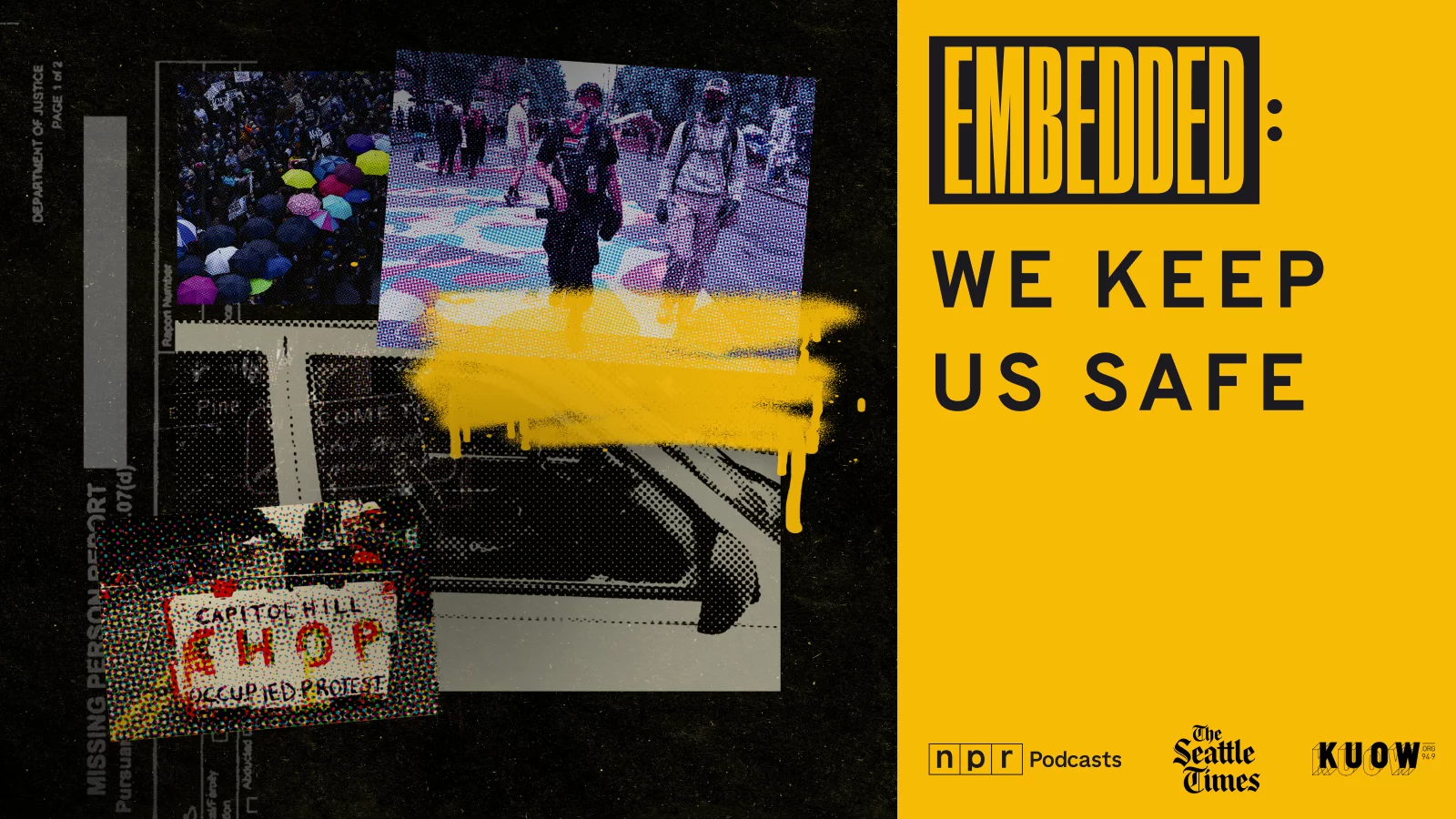
Establishing a voice can be even more challenging when multiple news organizations are involved, like in his latest KUOW project, “We Keep Us Safe,” for NPR's “Embedded” documentary series. James collaborated with a large team of editors, producers, and reporters across The Seattle Times (including reporters Sydney Brownstone and David Gutman) and Omari Salisbury's Converge Media to investigate the unsolved killing of 16-year-old Antonio Mays Jr., who was shot while in Seattle's CHOP (Capitol Hill Occupied Protest) zone during the 2020 protests following the murder of George Floyd.
In this case, the journalists work to establish trust with the audience by being transparent about the rigorous reporting process, taking listeners through every step of the process. James, Brownstone, Gutman, and the rest of the team made public records requests and interviewed nearly 100 people to revisit the events leading up to and following Mays Jr.'s murder.
Our thanks to James for an insightful conversation about the nuances of narrative storytelling. Listen to the whole episode here.
Audio journalist Will James on investigating the unsolved murder of a teenager in Seattle's CHOP zone
Will James
“I think to sustain a big narrative story, there needs to be some kind of idea at the heart of it. In audio journalism, sometimes we talk about the ladder of abstraction. There can't just be these facts unfolding at the bottom level of this ladder of abstraction. You need some ideas popping. And time passing has a way of showing you which stories have staying power, which stories might have some universal ideas or insights embedded in them. My favorite place to look for stories is unresolved events in the past.”
[ Read the story ]
[ Follow us in Apple Podcasts, Spotify, or your favorite podcast app. ]
Links of note
A portrait of Dolly Parton surrounded by flowers and cards in a memorial outside her home in Brentwood, Tenn. (AP Photo/George Walker IV)
“To understand Dolly, you have to read her as a writer. Writing her own story was the most radical, precise way to define herself in a world that kept trying to fit her into a box.” In The New York Times, Tressie McMillan Cottom remembers Dolly Parton through the stories she told in her life and her songs.
At Erika Hayasaki's Reported Essay newsletter, she speaks with Slate features editor Leah Prinzivalli about what she's looking for in story pitches, and what to consider when pitching personal essays. “It’s an intimate process. An editor is going to be asking for details about what happened. Having that in mind when you’re pitching a personal essay is important, and just making sure that you are ready to tell the story.”
Longreads shares an excerpt from former New York Times obituary writer Sam Roberts's book, “Are They Dead Yet?" on the art of obit writing. He quotes Kelly McMasters, who has been writing her own obituary and updating it every year since she was 12: “It seems dreadfully unfair that we wait until after our deaths to write them and never get to read them ourselves,” McMasters wrote. “Writing your obituary while you’re still alive can offer clarity about your life and, mercifully, if you find something lacking, you still have time to revise.”
Keep revising, and keep sharing your stories,
Mark ArmstrongEditorNieman StoryboardFollow the Nieman Storyboard Podcast On Bluesky: @niemanstoryboard.org
The post The authority versus authenticity question appeared first on Nieman Storyboard.
Audio documentary producer Will James on the making of NPR's “We Keep Us Safe.” Plus: How to pitch Slate's features editor
August 28, 2026
***
Dear Storyboard community:
During my new Nieman Storyboard podcast conversation with audio journalist Will James, we got to talking about the evolution of narrative storytelling in podcasts, but also the evolution of trust in media. James brought up the idea that authenticity has eclipsed authority as the main way people in media build trust with their audience.
“ I heard a misinformation researcher, I think it was Kate Starbird at [University of Washington], who mentioned that there was a time when the marker of trust was authority,” James told me. “So it was the authoritative newscaster voice who spoke very carefully, that spoke in this measured tone. It carried this weight that people had edited these words, people had thought carefully about these words. People used to trust that sound. Something has flipped. Now that sounds inauthentic to people and a marker of trust is authenticity. It’s the guy who sounds like he’s speaking off the cuff, from his heart what he really believes, even if it’s unpolished. Even if the facts are sometimes wrong.”
James thinks about this issue a lot as he has created multiple podcast series for public radio, at Seattle stations KNKX and KUOW. Should the voice and editorial style of traditional news organizations evolve for a changing audience?
Establishing a voice can be even more challenging when multiple news organizations are involved, like in his latest KUOW project, “We Keep Us Safe,” for NPR’s “Embedded” documentary series. James collaborated with a large team of editors, producers, and reporters across The Seattle Times (including reporters Sydney Brownstone and David Gutman) and Omari Salisbury’s Converge Media to investigate the unsolved killing of 16-year-old Antonio Mays Jr., who was shot while in Seattle’s CHOP (Capitol Hill Occupied Protest) zone during the 2020 protests following the murder of George Floyd.
In this case, the journalists work to establish trust with the audience by being transparent about the rigorous reporting process, taking listeners through every step of the process. James, Brownstone, Gutman, and the rest of the team made public records requests and interviewed nearly 100 people to revisit the events leading up to and following Mays Jr.'s murder.
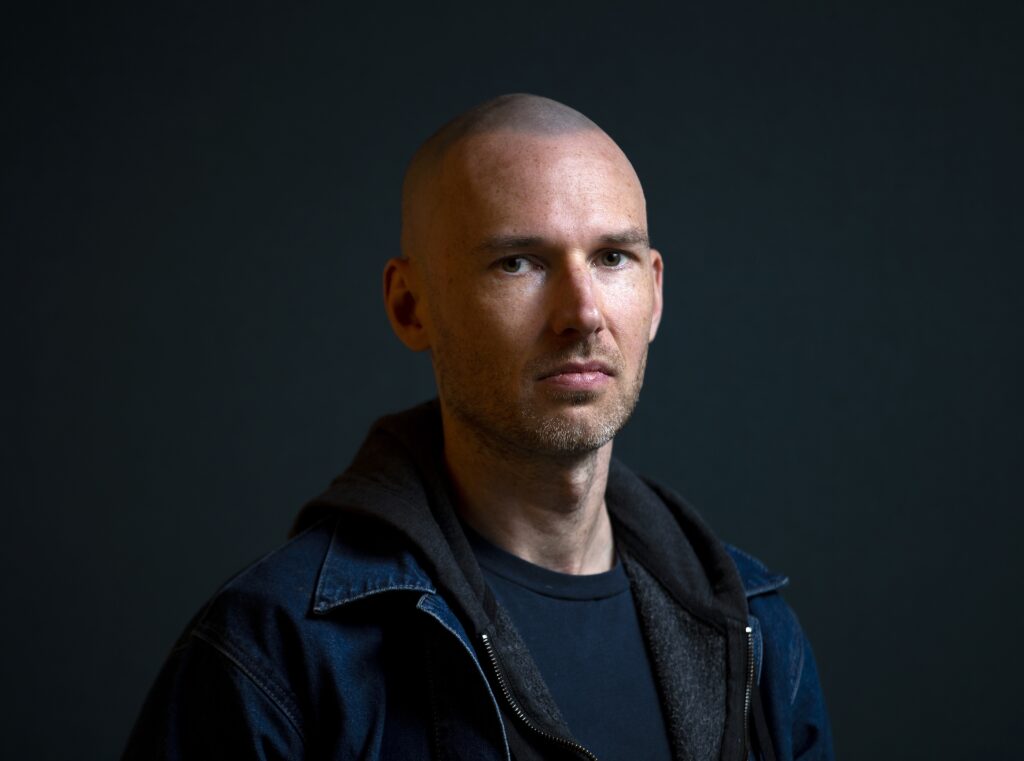 Will James
“I think to sustain a big narrative story, there needs to be some kind of idea at the heart of it. In audio journalism, sometimes we talk about the ladder of abstraction. There can’t just be these facts unfolding at the bottom level of this ladder of abstraction. You need some ideas popping. And time passing has a way of showing you which stories have staying power, which stories might have some universal ideas or insights embedded in them. My favorite place to look for stories is unresolved events in the past.”
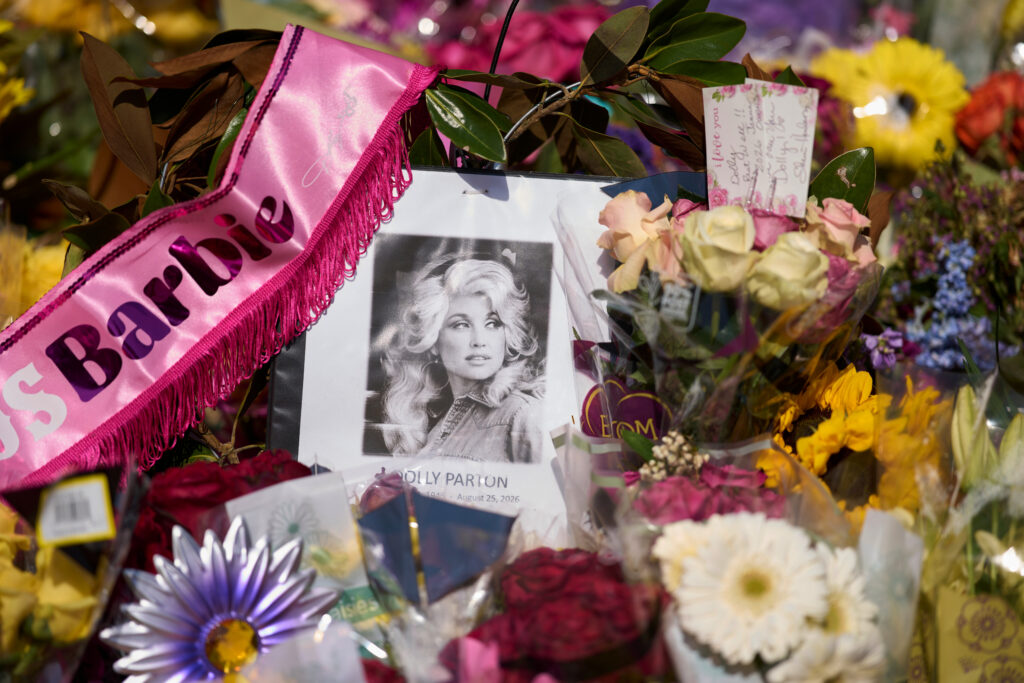 A portrait of Dolly Parton surrounded by flowers and cards in a memorial outside her home in Brentwood, Tenn. (AP Photo/George Walker IV)
Keep revising, and keep sharing your stories,
Get insights into the craft of journalism and storytelling in your inbox, delivered on Fridays.
| # | Наименование новости | Тональность | Информативность | Дата публикации |
|---|---|---|---|---|
| 1 | Audio journalist Will James on investigating the unsolved murder of a teenager in Seattle’s CHOP zone | 0 | 13.04 | 28-08-2026 |
| 2 | Ken Armstrong’s advice for journalists | 0 | 14.09 | 31-07-2026 |
| 3 | Pulitzer winner Ken Armstrong on the importance of storytelling in investigative journalism | 0 | 14.95 | 31-07-2026 |
| 4 | Navigating power and trust as a journalist | 0 | 11.66 | 14-08-2026 |
| 5 | Summer inspiration for journalists and writers | 2 | 1 | 05-06-2026 |
| 6 | Embedded series 'We Keep Us Safe' investigates teen's killing in 2020 Black Lives Matter protests | 0 | 7 | 04-06-2026 |
| 7 | How 5 journalists structured their stories to hook readers | 0 | 5 | 04-06-2026 |
| 8 | Mastering brevity in storytelling and songwriting | 0 | 11.9 | 07-08-2026 |
| 9 | Embracing the lost art of people-watching | 2 | 1 | 03-07-2026 |
| 10 | People have stopped trusting news but not newsrooms | 0 | 7 | 26-06-2026 |