Просмотр новости
Найдите то, что Вас интересует
 Спутники
 РН
РН SpaceX
 Роскосмос
 NASA
NASA
СпутникиРНSpaceXРоскосмосNASA
Sign up for the Nieman Storyboard newsletter, delivered every Friday in your inbox.
***
Dear Storyboard community:
One of the great joys of this job at Storyboard is that every conversation I have with journalists gives me a chance to question everything I thought I knew about reporting.
For example: Immersing yourself in someone's life won’t necessarily lead to a better or more accurate story.
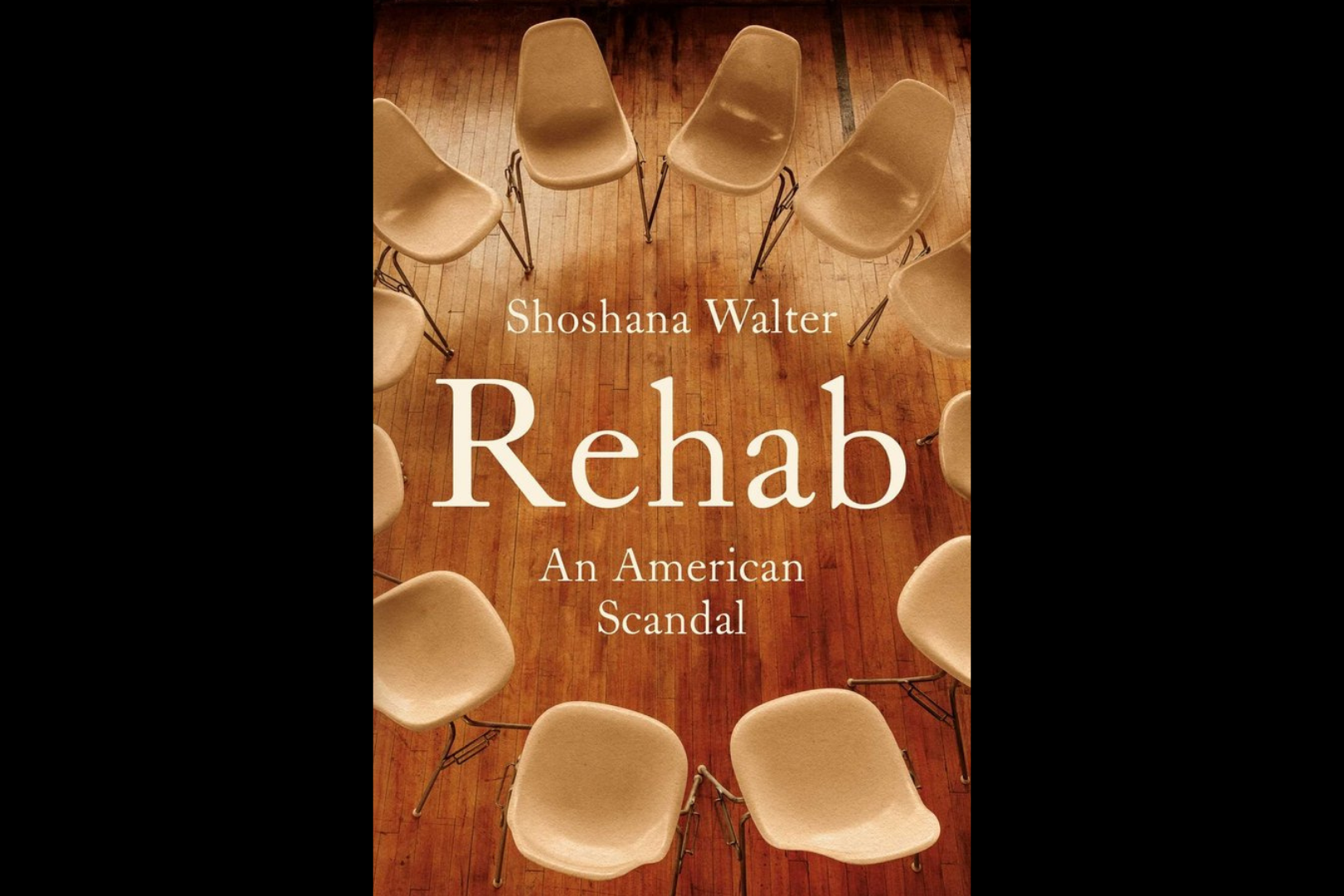
My guest on this week's Nieman Storyboard podcast, journalist and Pulitzer finalist Shoshana Walter, had been planning a fully immersive narrative for her book, “Rehab: An American Scandal,” which tells the stories of four people and their experiences in the treatment system. Then the pandemic hit, and she had to pivot toward more reconstructed narratives, using interviews via Zoom.
For Walter, this ended up being the right choice for many reasons, including the ethical considerations of reporting on people who are in the throes of addiction, or being a witness to some of the most traumatic moments in a person's life.
“With stories that I've done before, I had experiences interviewing people in active addiction, and it just always felt ethically dubious to be documenting behavior that was influenced by whatever substance this person was on, behavior that they might not ordinarily consent to me documenting,” she told me. “As a journalist, I'm in this position of power and authority. I'm the one who is shaping the story. Even with someone who is in recovery, who's not in active addiction, you still need to take care and ensure that you're starting that relationship from a position of trust.”
Listen to the full episode, and get our reading list, below. My thanks to Walter for sharing her process and insights.
Journalist Shoshana Walter on telling stories of addiction and recovery
Shoshana Walter
“ I think for everyone who participated in this book, the driving force was wanting their stories to mean something, to serve a higher purpose. My hope with any piece of investigative journalism that I do is to raise awareness of an injustice that's going on in the hopes that it can help lead eventually to change.”
[ Read the story ]
[ Follow us in Apple Podcasts, Spotify, or your favorite podcast app. ]
Links of note
“I told him, ‘I’m actually researching your family because I’m writing a book about you.’ His face just went completely white. He realized instantly who I was. I asked him, ‘Have you gotten my emails?’ He said, ‘Yep,’ with this kind of Oklahoma drawl. I said, ‘Do you think you or your family will talk to me?’ He shook his head and said, ‘I don’t think so.’ He walked away.” For the Depth Perception newsletter, author and journalist Michael Blanding talks about a chance run-in with Mart Green, whose family is behind the arts and crafts megachain Hobby Lobby, for his book “The Gospel According to Hobby Lobby.”
Writer Aaron Gilbreath pays a visit to The City Reader, Portland, Oregon’s only magazine stand, run by Karin Dibling. “‘The beginning and end of a magazine make it appealing,’ Karin said. ‘Like, it’s finite. It’s curated. Somebody picked what’s between the covers of a magazine. They thought it was important enough to put in there, so it’s not just endless scrolling, where it can be any crap that you’re lookin’ at. It’s something somebody thought was good.’”
At the Creative Independent, author Lillian Li talks about cultivating focus and the value of reading your work out loud. “You can find the ways you’re being indulgent when you read it out loud. One, it doesn’t make sense, and two, it just doesn’t feel good. You kind of trip over the words, and there are obvious signs. I think some writer said that if you’re bored reading your work, then a reader is 100 percent going to be bored. Reading out loud is one way to distance me from the work, and to also keep me from skimming and reading faster when I’m getting a little bored with it, so I can tap into when I’m honestly not interesting even to myself.“
Keep reading out loud, and keep sharing your stories,
Mark ArmstrongEditorNieman StoryboardFollow the Nieman Storyboard Podcast On Bluesky: @niemanstoryboard.org
The post Navigating power and trust as a journalist appeared first on Nieman Storyboard.
August 14, 2026
***
Dear Storyboard community:
One of the great joys of this job at Storyboard is that every conversation I have with journalists gives me a chance to question everything I thought I knew about reporting.
For example: Immersing yourself in someone’s life won’t necessarily lead to a better or more accurate story.
For Walter, this ended up being the right choice for many reasons, including the ethical considerations of reporting on people who are in the throes of addiction, or being a witness to some of the most traumatic moments in a person’s life.
“With stories that I’ve done before, I had experiences interviewing people in active addiction, and it just always felt ethically dubious to be documenting behavior that was influenced by whatever substance this person was on, behavior that they might not ordinarily consent to me documenting,” she told me. “As a journalist, I’m in this position of power and authority. I’m the one who is shaping the story. Even with someone who is in recovery, who’s not in active addiction, you still need to take care and ensure that you’re starting that relationship from a position of trust.”
Listen to the full episode, and get our reading list, below. My thanks to Walter for sharing her process and insights.
 Shoshana Walter
“ I think for everyone who participated in this book, the driving force was wanting their stories to mean something, to serve a higher purpose. My hope with any piece of investigative journalism that I do is to raise awareness of an injustice that’s going on in the hopes that it can help lead eventually to change.”
Keep reading out loud, and keep sharing your stories,
Get insights into the craft of journalism and storytelling in your inbox, delivered on Fridays.
| # | Наименование новости | Тональность | Информативность | Дата публикации |
|---|---|---|---|---|
| 1 | Journalist Shoshana Walter on telling stories of addiction and recovery | 0 | 11.1 | 14-08-2026 |
| 2 | Ken Armstrong’s advice for journalists | 0 | 14.09 | 31-07-2026 |
| 3 | Pulitzer winner Ken Armstrong on the importance of storytelling in investigative journalism | 0 | 14.95 | 31-07-2026 |
| 4 | The authority versus authenticity question | 0 | 11.66 | 28-08-2026 |
| 5 | Summer inspiration for journalists and writers | 2 | 1 | 05-06-2026 |
| 6 | How 5 journalists structured their stories to hook readers | 0 | 5 | 04-06-2026 |
| 7 | A closer look at a Pulitzer finalist story about mental illness and recovery | 0 | 2 | 29-05-2026 |
| 8 | How a magazine story becomes a podcast | 0 | 11.43 | 18-09-2026 |
| 9 | ‘There is no good way to say this’ | 0 | 12.88 | 21-08-2026 |
| 10 | Audio journalist Will James on investigating the unsolved murder of a teenager in Seattle’s CHOP zone | 0 | 13.04 | 28-08-2026 |